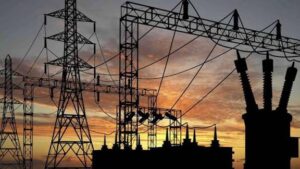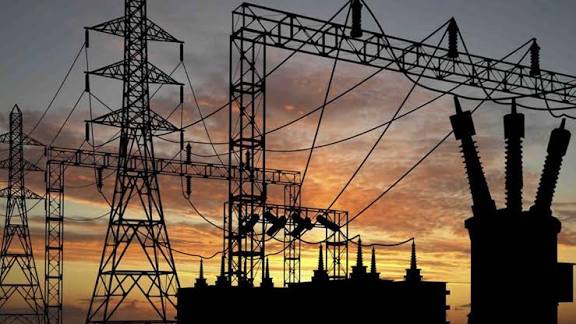
Power generation companies (GenCos) have raised concerns over the Federal Government’s proposed ₦1.1 trillion allocation to the power sector in the 2026 budget, warning that the absence of electricity subsidies could create serious problems for electricity supply.
Although the budget for the Ministry of Power is higher than last year’s ₦900 billion, it does not include money specifically set aside to cover the gap between the cost of generating electricity and what consumers pay. Operators say this gap, known as the tariff shortfall, is about ₦200 billion every month.
Joy Ogaji, Managing Director of the Association of Power Generation Companies, said the budget effectively shifts the financial burden to power companies and gas suppliers. She warned that without a clear plan to pay these shortfalls, companies could face liquidity problems, delayed investments, and difficulty maintaining equipment.
“The absence of a subsidy line shows the scale of preference where the power sector falls. Generation companies are already being paid less than 40% of what they bill every month. How are we expected to operate like this?” Ogaji said.
The budget allocates most of the ₦1.1 trillion to capital projects, such as rural electrification, transmission upgrades, and solar initiatives. But there is no clear provision for paying electricity subsidies or covering unpaid invoices.
Nigeria Bulk Electricity Trading Plc (NBET) received a separate allocation under the Ministry of Finance, but this money is booked as capital spending, not as subsidies to cover tariff gaps.
Power Minister Adebayo Adelabu said subsidy payments are the responsibility of the Ministry of Finance, not the Ministry of Power.
Meanwhile, NBET’s Managing Director, Johnson Akinnawo, noted that the budget has not yet been passed by the National Assembly and advised stakeholders to seek clarification from relevant authorities.
GenCos argue that without a predictable payment system, the industry will continue to face financial stress, which could limit investments and affect electricity supply across the country. They stress that addressing tariff shortfalls is essential to ensure reliable power for Nigerians.