The Georgian government is stepping up efforts to expand renewable energy production in response to rapidly rising electricity consumption and a growing gap between supply and demand, Azernews reports.
Electricity use in Georgia is projected to surge by 73% by 2030, hitting 22 billion kilowatt-hours (kWh). Without urgent investment in power infrastructure, experts warn the country could face serious shortages.
“To meet the country’s growing energy needs, we have to act now,” said an official from the Ministry of Economy and Sustainable Development. “Diversifying into wind and solar has become not just a strategic priority — but an economic necessity.”
Between January and April 2025, Georgia consumed 4.9 billion kWh of electricity — a 3.5% increase compared to the same period last year. However, domestic electricity generation fell by 9.8%, reaching only 3.9 billion kWh. The shortfall has increased Georgia’s reliance on electricity imports from neighboring countries, including Russia, Azerbaijan, and Turkiye.
Hydropower remains the country’s primary energy source, producing 2.9 billion kWh in the first four months of 2025. But seasonal fluctuations and climate change have made it less reliable. Meanwhile, thermal plants generated nearly 966 million kWh during the same period.
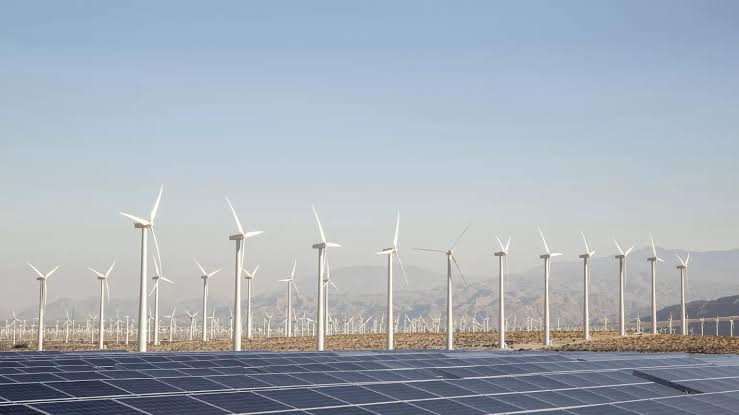
One symbol of Georgia’s clean energy ambitions is the Kartli wind farm near Gori. Operational since 2016, it was the country’s first commercial wind project. While production at the site dropped by 6.9% in early 2025 compared to the previous year, it still delivered 25.54 million kWh.
To accelerate green development, the government has unveiled a Renewable Energy Development Scheme, aiming to attract $3–4 billion in investments over the next 2–3 years. The initiative includes competitive auctions for building 1,500 MW of new power capacity, with winners receiving financial guarantees via 15-year Contracts for Difference (CfDs) — a mechanism to ensure stable revenues.
“Georgia has the potential to become a clean energy leader in the Caucasus,” the ministry official said. “But we are in a race against time.”
Alongside renewables, the government is also exploring battery storage and regional interconnection projects to secure long-term energy independence.
If fully realized, these plans could reshape Georgia’s energy future — turning it into a hub of green power and sustainability in the region.