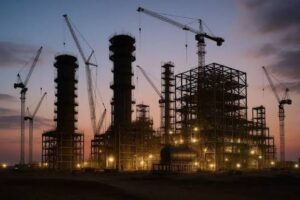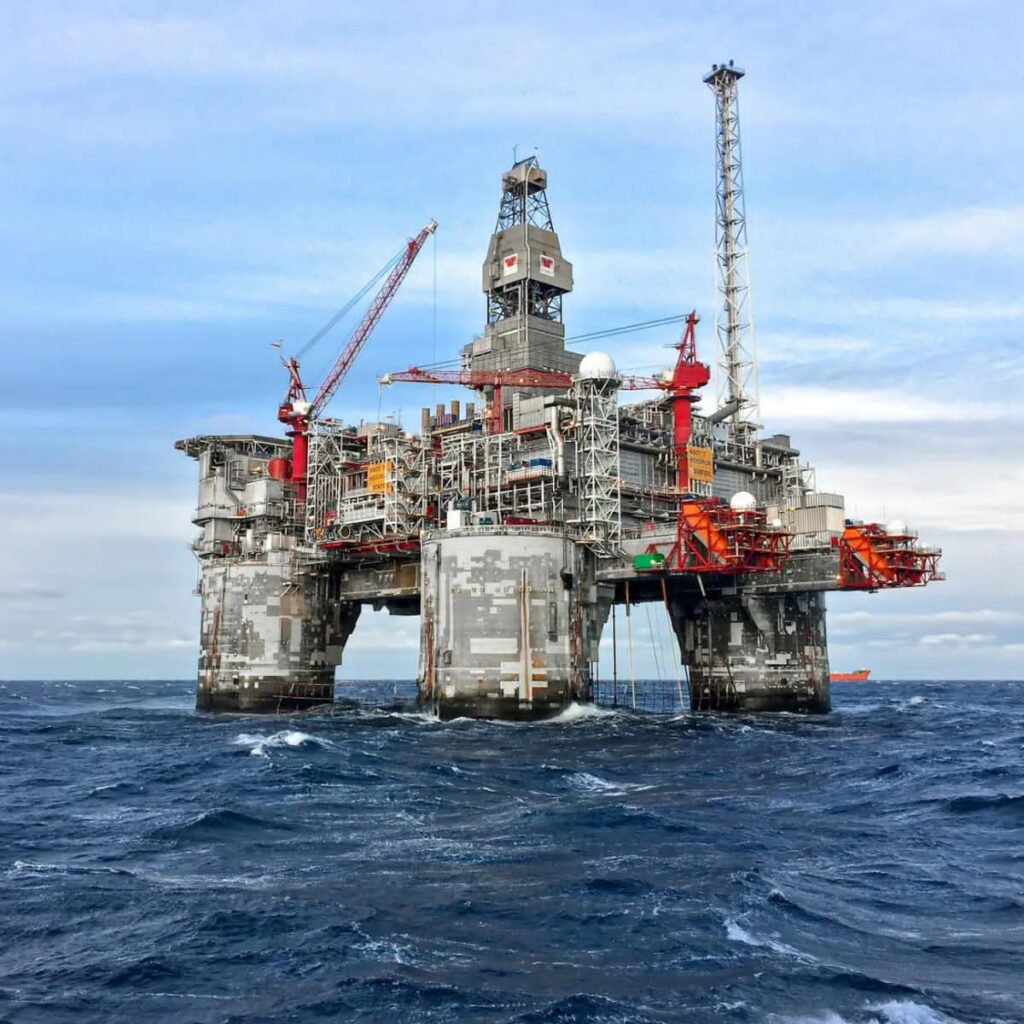
Nigeria’s oil and gas industry is seeing renewed energy, with the number of operational oil rigs rising by 22 percent in June 2025. Industry experts say the growth is closely tied to recent policy changes aimed at boosting upstream activity and attracting investment.
Latest data from the Organisation of the Petroleum Exporting Countries (OPEC) shows Nigeria operated 11 rigs in June, up from 9 in May. It marks the second-highest rig count this year, just behind January’s 12 rigs. The increase suggests a steady recovery in drilling activity, which had been held back in recent years by insecurity, underinvestment, and regulatory hurdles.
Reforms Driving Recovery
Analysts point to new executive orders signed by President Bola Tinubu as a major reason for the rebound. The most notable is the Upstream Petroleum Operations Cost Efficiency Incentives Order, introduced in May 2025. This policy builds on a broader reform package rolled out in 2024, targeting lower costs, better regulations, and a more attractive investment climate.
The new order introduces performance-based tax incentives for oil companies that cut costs in line with benchmarks set by the Nigerian Upstream Petroleum Regulatory Commission (NUPRC). These benchmarks are designed to reflect the cost realities of onshore, shallow water, and deep offshore operations.
President Tinubu described the move as part of a larger plan to create a more efficient and job-creating energy sector. “This is about making our oil and gas industry work better for all Nigerians,” he said.
Industry Reaction
The reforms have been well-received by industry leaders. NJ Ayuk, executive chairman of the African Energy Chamber, said the policy could significantly boost investor interest in Nigeria’s upstream oil sector.
“It shows Nigeria is serious about cutting red tape, reducing costs, and delivering value,” Ayuk said. “This could be a turning point for oil and gas investment in the country.”
Oil Production Also Rising
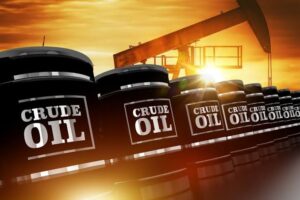
The rise in rig count has been matched by a jump in crude oil output. According to NUPRC chief Gbenga Komolafe, Nigeria’s production crossed 1.8 million barrels per day (bpd) in July—its highest in over four years. By comparison, output averaged 1.68 million bpd in 2024, and 1.57 million in 2023.
Gas production has also picked up, supporting Nigeria’s wider push for energy transition and LNG export growth.
Better Security in the Niger Delta
Improved security in the oil-rich Niger Delta is also helping the recovery. A combination of stronger cooperation between oil companies, host communities, and security forces has led to fewer pipeline attacks and theft cases. This stability has allowed for more consistent field operations and lower disruptions.
Still Work to Do
While the recent progress is encouraging, experts warn that Nigeria must continue to follow through on its reforms. Maintaining higher rig activity and production levels will depend on consistent policies, better infrastructure, and a stable investment environment.
The global energy market is also evolving, with increased focus on renewables and tougher financing rules for fossil fuel projects. Nigeria will need to show that its oil operations can be both profitable and sustainable to keep attracting international capital.