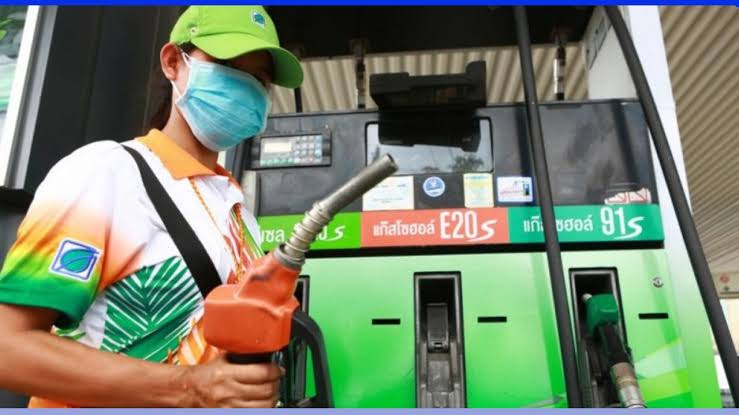
India’s rollout of E20 petrol, fuel mixed with 20% ethanol is hitting car owners with unexpected problems. While the government promotes the move as a step toward energy security and lower oil imports, many drivers are reporting reduced mileage, engine troubles, and higher maintenance costs.
For example, Rahul Vaidya’s Volkswagen Vento saw its fuel efficiency drop from 12 kmpl to around 7–8 kmpl. Mechanics later confirmed his car was not designed to handle E20. Similarly, Mahesh Nair’s Suzuki Brezza, though newer, began to jerk and lose pick-up until its engine was retuned and parts replaced.
The issue is widespread because most vehicles on Indian roads are built for E10 fuel, a blend with just 10% ethanol. Higher ethanol levels can wear down rubber seals, gaskets, and fuel lines, while also lowering energy content, which means fewer kilometres per litre.
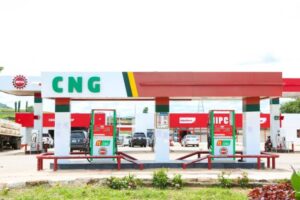
A major concern is that many drivers don’t even know what E20 is, or whether their car can run on it. Petrol pumps also lack clear labels, so motorists often fill their tanks without realizing the fuel is different. Service centres have since reported a rise in engine knocking, rough idling, and fuel pump failures linked to E20.
Carmakers and oil companies are blaming each other. Automakers say they were not fully prepared for the sudden rollout, while oil firms claim they have already added stabilisers to reduce ethanol’s damaging effects. Companies like Hero MotoCorp have issued notices warning customers that older vehicles may need upgrades to handle the new blend.
Despite these problems, the government insists the shift is a success. Officials say ethanol blending has saved India more than ₹1.44 lakh crore in foreign exchange since 2014, reduced crude oil imports, cut emissions, and boosted sugarcane farmers’ income. Payments to farmers from ethanol sales are expected to reach ₹40,000 crore this year.
Experts say the policy’s benefits are real, but consumer awareness has been left behind. For drivers, the reality is clear: E20 fuel may be good for the environment and the economy, but it is also causing more trips to the mechanic and extra money out of pocket.