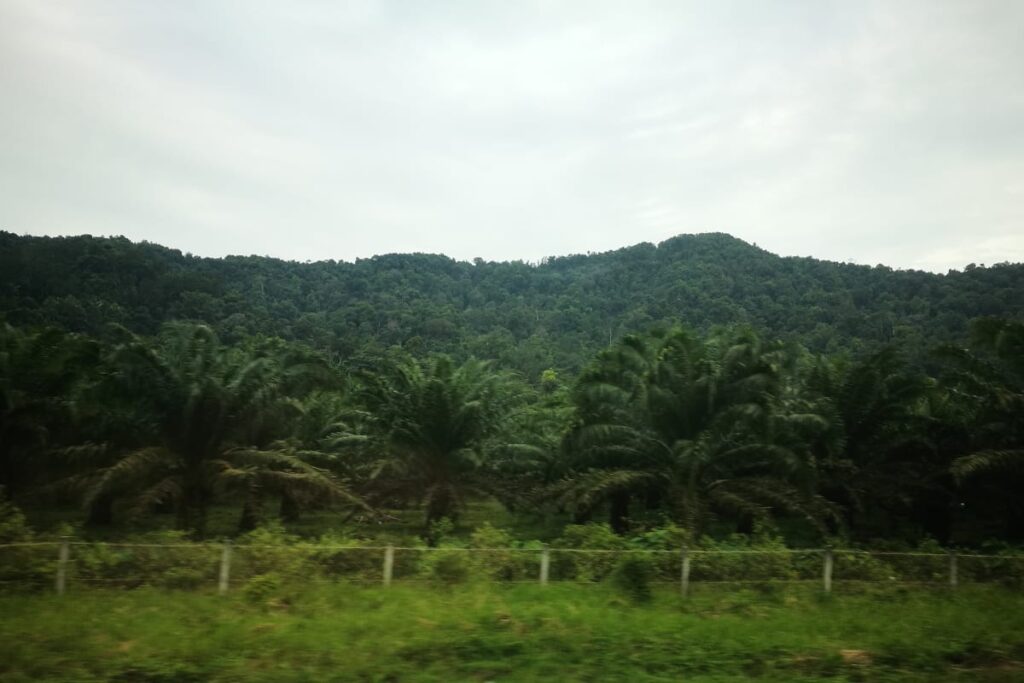
Indonesia has intensified its campaign against illegal activities in the natural resource sector, taking control of over 674,000 hectares of palm oil plantations and portions of two major nickel mines, including areas of the giant operation co-owned by China’s Tsingshan Holding Group.
The confiscated plantations, which were operating without proper permits in forested areas, will now be managed by state-owned Agrinas Palma Nusantara, bringing the company’s total holdings to 1.51 million hectares. Authorities say the move aims to improve regulation and curb unlawful practices in the sector.
President Prabowo Subianto has made cracking down on abuses in mining and plantations a priority to support his costly policy initiatives. His administration has raised mineral royalties, launched corruption probes into major companies such as Wilmar International and PT Pertamina, and created the sovereign wealth fund Danantara to consolidate government assets.
Observers note that while the crackdown may help bring order and increase state revenues, it has also raised concerns among investors. Recent public protests over corruption and inequality, combined with a cabinet reshuffle that saw the removal of Finance Minister Sri Mulyani Indrawati, have intensified apprehensions about Indonesia’s investment climate.
Experts warn that a smooth handover is critical to prevent disruptions in plantation output and ensure continued compliance. Unregulated mining and illegal plantations have long caused environmental damage and significant revenue losses, estimated at US$18 billion.
Prabowo’s campaign has identified more than 1,000 illegal mines and up to five million hectares of unlicensed palm oil estates. However, stricter enforcement could also affect the production of key exports like nickel, tin, and palm oil, which remain vital to Indonesia’s economy amid global trade uncertainties and domestic challenges.