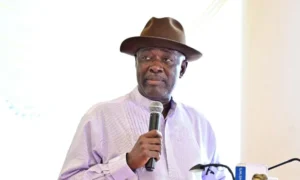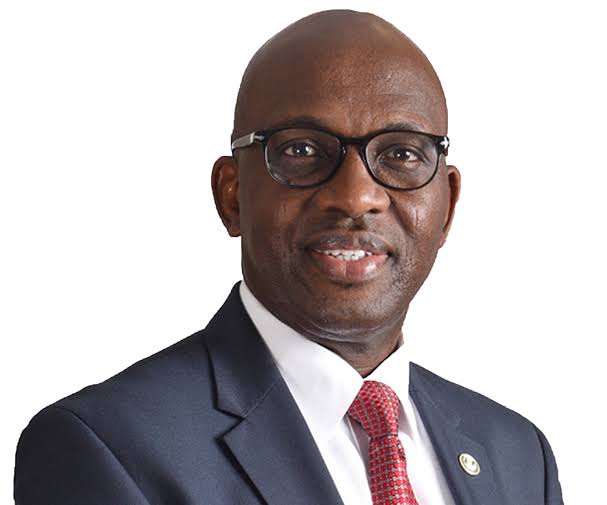
Veteran petroleum geologist and Chairman of Renaissance Africa Energy Company, Dr. Layi Fatona, has cautioned that international oil companies (IOCs) are only committed to Nigeria’s oil sector as long as profits remain high.
Speaking at the Oida Fireside Chat, an industry knowledge-sharing forum hosted by Oida Energy Group, Fatona said IOCs typically exit the country once their margins shrink, leaving indigenous operators to step in.
According to him, Nigerian-owned firms must be ready to take over such opportunities through collaboration and strong partnerships. He recalled how over 120 attempts by local interests to jointly acquire Shell Petroleum Development Company (SPDC) assets had collapsed before the eventual success of the Renaissance consortium.
“It would have been a major setback if SPDC assets had gone to another foreign company,” Fatona said, noting that the deal was only possible because local players united around a common goal.
He identified human capital development as the toughest challenge facing homegrown oil and gas companies, warning that the industry does not recruit casually and requires highly skilled professionals. On financing, he urged operators to explore innovative funding models and assured that domestic options remain available despite global concerns about climate-linked credit restrictions.
Fatona also stressed that fossil fuels will remain central to Nigeria and Africa’s energy future for years to come, insisting that access to affordable energy must take precedence over climate change debates.
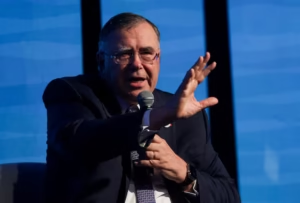
The event brought together key industry leaders, including the outgoing Chairman of the Society of Petroleum Engineers (SPE) Nigeria Council, Emeka Ene; SPE Africa Regional Director, Dr. Riverson Oppong; and SPE International President, Olivier Houzé.
Oida Energy Group, the host of the forum, highlighted its role in pioneering well intervention and brownfield development across Africa. Its subsidiaries, Xenergi Limited and Empower FZE, are involved in natural gas processing, industrial infrastructure, and free trade zone development.
Fatona also shared insights from his pioneering work at the Ogbele marginal field, where integrated onsite operations were adopted to curb gas flaring penalties and counter vandalism-related losses. He said the approach has since become a model for resilience in Nigeria’s petroleum sector.