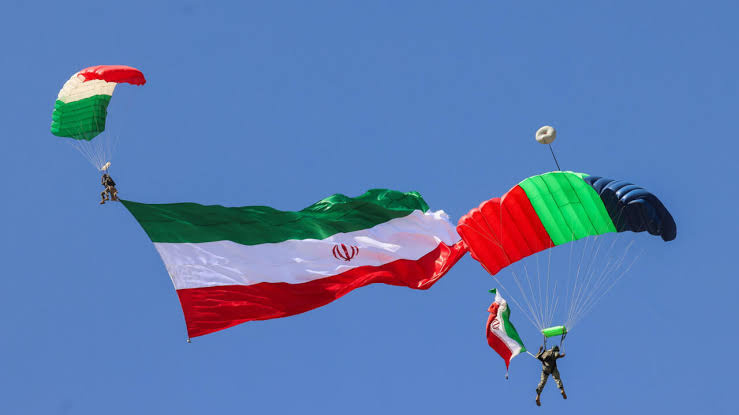
Iran is set to hold high-stakes nuclear talks with Britain, France, and Germany in Istanbul on Friday, as tensions rise over the possible reimposition of United Nations sanctions.
The meeting comes days after U.S. President Donald Trump said a new nuclear deal with Tehran was “getting close.”
It also follows a stark warning from Iranian Foreign Minister Abbas Araghchi, who cautioned of “irreversible” consequences if European powers trigger the 2015 agreement’s snapback mechanism, which would reinstate sanctions.
“The move risks provoking a global nuclear proliferation crisis that would primarily affect Europeans themselves,” Araghchi said. However, in a more conciliatory tone, he added that Iran was “ready to turn the page” in its relationship with Europe.
The 2015 deal — which also involved the U.S., China, and Russia — gave Iran sanctions relief in exchange for curbs on its nuclear program. Trump withdrew the U.S. from the deal in 2018, reimposing strict sanctions.
In response, Iran began scaling back its commitments under the accord.Iran is currently enriching uranium to 60%, well above the deal’s 3.67% limit, though still below weapons-grade level. Tehran insists its nuclear activities are for peaceful purposes.
“The dismantling of enrichment is not accepted by Iran,” said Mohammad Eslami, head of Iran’s atomic energy agency.On Thursday, Trump said the U.S. was close to a new deal that would avoid military escalation.
“We’re not going to be making any nuclear dust in Iran,” he said during a visit to Qatar.Despite a U.S. media report that the Trump administration submitted a written proposal to Iran, Araghchi denied this, saying, “We have not been given anything.”
Still, he noted, “We are ready to build trust and transparency about our nuclear programme in response to the lifting of sanctions.”The Istanbul meeting will be held at the deputy foreign ministers’ level and comes just days after the fourth round of indirect Iran-U.S. talks, which Tehran described as “difficult but useful.”
The outcome of these talks may determine whether diplomacy holds or whether the world sees another round of nuclear escalation in the Middle East.