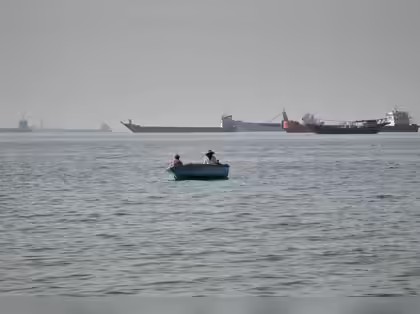
Iran is preparing to introduce a new restricted maritime zone in the Gulf and establish fresh shipping routes through the Strait of Hormuz as tensions with the United States continue to disrupt regional trade and raise concerns over global oil supplies.
Mohsen Rezaei, secretary of Iran’s Supreme National Security Council, said the details of the proposed zone and new shipping corridor would be released in the coming days.
He said the restricted area would start from the point where the US blockade of Iran begins and extend into parts of the Gulf. Ships that enter the zone could be placed on a sanctions list, although Iranian authorities have not provided further details on how the measure would be implemented.
Tehran is also preparing maps showing designated routes through the Strait of Hormuz. Rezaei said the proposed international corridor would pass through Iranian and Omani waters, with Iran taking responsibility for its management.
The announcement follows a renewed exchange of military strikes between Iran and the US. American forces recently targeted three Iranian oil tankers after Washington said Iran’s Islamic Revolutionary Guard Corps had attacked US warships in the region.
The Strait of Hormuz remains central to the confrontation because of its importance to the international oil trade. Before the conflict, around one-fifth of global oil supplies moved through the strategic waterway.
Shipping traffic has fallen significantly amid the tensions. Data cited in the report showed that only about 10 commodity vessels crossed the strait daily on average over the previous 10 days, the lowest level since May.
The disruption has contributed to higher oil prices, with Brent crude rising above $97 per barrel on Monday.
Alongside the military confrontation, Iran is dealing with increasing pressure from US sanctions and restrictions on its oil exports.
Iranian officials have acknowledged difficulties including inflation, currency instability and unemployment.
Parliament Speaker Mohammad Baqer Qalibaf warned that future attacks on Iran’s interests or security would attract a stronger response. He also said the country must focus on improving production, protecting livelihoods and addressing economic mismanagement.
Economy Minister Ali Madanizadeh rejected the suggestion that American sanctions would force Tehran to change its policies. He argued that responsibility for reforming Iran’s economy rests primarily with the Iranian government and its people.
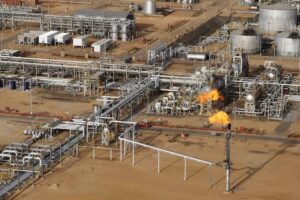
Iran’s oil exports have also been affected by the conflict. Kharg Island, the country’s major crude export hub, handled about 90 per cent of its oil exports before the war.
Oil Minister Mohsen Paknejad said the facility had been attacked roughly 550 times in previous months but continued to operate.
Meanwhile, the US military said it had redirected 92 commercial vessels and taken other measures as part of efforts to enforce its blockade of Iranian oil exports.