The Nigerian Midstream and Downstream Petroleum Regulatory Authority (NMDPRA) has identified weak commercial agreements in the gas-to-power sector as a major reason for Nigeria’s long-standing electricity supply problems.
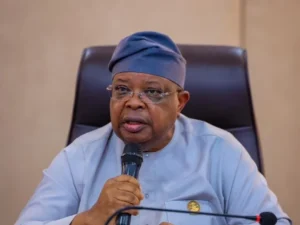
Speaking on the issue, the Chief Executive of NMDPRA, Engr. Saidu Mohammed, said the country’s power challenges are not caused by a shortage of gas or inadequate generation capacity, but by the absence of reliable and enforceable gas supply contracts for power producers.
According to him, Nigeria currently produces about eight billion standard cubic feet of gas per day, with a large portion exported through the Nigeria Liquefied Natural Gas (NLNG) project. However, the domestic gas market, especially for electricity generation, remains poorly structured.
Mohammed noted that although Nigeria has over 13,000 megawatts of installed power generation capacity, actual electricity supplied to the grid has remained around 5,000 megawatts for more than 20 years. He explained that many power plants frequently report “no gas” situations because gas suppliers lack confidence in payment and contract enforcement.
He disclosed that only a handful of power plants have gas sales agreements that are commercially viable, stressing that gas suppliers are unlikely to deliver gas without firm buyers and dependable payment systems.
The NMDPRA boss said reforms introduced under the Petroleum Industry Act (PIA) are designed to address these issues by giving priority to domestic gas supply for power generation, promoting cost-reflective pricing, and strengthening regulatory enforcement.
He added that the authority will continue to enforce domestic gas supply obligations, enhance transparency in gas pricing, and fast-track the development of gas infrastructure to support a more stable and sustainable electricity supply across the country.