The Niger Delta Power Holding Company (NDPHC) has raised concerns over worsening conditions in Nigeria’s electricity sector, citing N600 billion in unpaid debts and over 2,000 megawatts (MW) of stranded power capacity.
In a statement on Sunday, NDPHC Managing Director, Jennifer Adighije, revealed that the company is battling severe operational setbacks caused by gas supply constraints, inadequate transmission infrastructure, and low demand from electricity distribution companies (Discos).
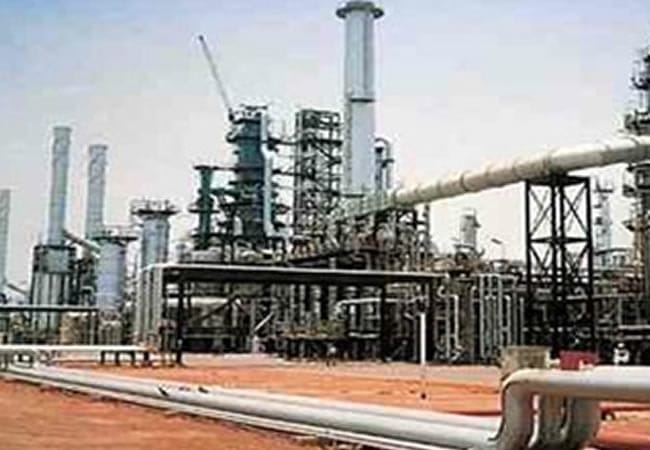
“NDPHC currently has mechanically available generation capacity of about 2,000MW that is significantly stranded due to transmission constraints, gas supply and gas transportation limitations in addition to dwindling offtake by the distribution companies,” she said.
Adighije disclosed that the Nigerian Bulk Electricity Trading (NBET) and other bilateral entities owe the company nearly N600 billion—a situation she described as financially crippling.
Despite resuscitating five turbine units at Calabar, Omotosho, Sapele, and Ihovbor power plants—adding 625MW to the national grid—Adighije lamented that much of this capacity remains unused.
“Power generation is driven by demand, and therefore, if the demand isn’t met, the plants will not generate. In certain cases, when the demand arises, there is an inadequate dispatch corridor or wheeling capacity through the grid network,” she explained.
She also expressed frustration that NDPHC’s plants are ranked lowest in dispatch priority. “By no small measure, NDPHC remains the largest fleet of generating turbine units in the sector. Conversely, much of that capacity remains stranded,” she noted.
The company is now shifting strategy by leveraging a Nigerian Electricity Regulatory Commission (NERC) directive that permits direct power sales to eligible customers.
“This strategy seeks to unlock that stranded energy by dedicating significant portions of it now to eligible customers and bilateral trading arrangements,” Adighije said.She also revealed that the prolonged shutdown of the Alaoji Power Plant is due to a metering dispute with a gas supplier.
However, efforts are underway to restore the plant before the end of the year.While acknowledging efforts by the Minister of Power, Bayo Adelabu, to tackle transmission issues, Adighije called for urgent market reforms.
“In spite of these limitations, NDPHC continues to spearhead transmission grid expansion plans and distribution network interventions to enable power generation to be delivered to the last-mile underserved communities,” she said.
The NDPHC has invested over N500 billion in infrastructure projects including substations, transformers, and transmission lines, many of which are now operated by the Transmission Company of Nigeria (TCN).