Nigeria is gearing up for a major transformation in its maritime trade by pushing for full electrification of its port operations—an ambitious step aimed at reducing pollution, attracting investment, and modernizing logistics infrastructure.
A new white paper, jointly developed by global shipping operator APM Terminals and consultancy group Systemiq, lays out a roadmap to help Nigeria cut down on fossil fuel use at its container terminals. The report, unveiled in Abuja, highlights the country’s opportunity to leapfrog into cleaner, more efficient operations while meeting key national priorities.
According to the report, Nigeria could draw up to $830 million in investment by 2030 through this transition, while also cutting over 390,000 tonnes of greenhouse gas emissions. The benefits go beyond climate goals: the move is expected to create local jobs, improve air quality, enhance public health, and make electricity supply more stable.
Frederik Klinke, CEO of APM Terminals Nigeria, said that containerized trade is central to Nigeria’s economy, and electrification is the future: “This shift won’t just reduce emissions—it will bring our operations in line with the best global standards and deliver lasting value to surrounding communities.”
The report urges immediate action, pointing out that nearly 60% of Nigeria’s terminal concessions are due for renewal. This makes it an ideal time to embed electrification into upcoming infrastructure plans. The strategy focuses on two key areas: reliable, affordable electricity and the use of electric-powered cargo handling equipment.
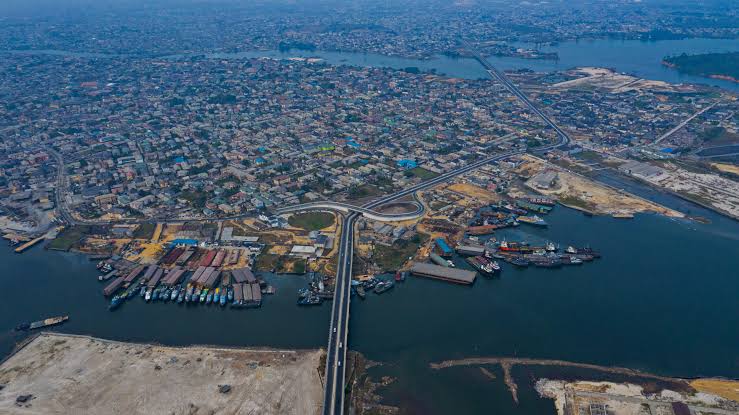
APM Terminals currently operates two major ports—Apapa in Lagos and WACT in Onne—as well as a container depot in Kano, placing the company in a strong position to lead Nigeria’s green transition in logistics.
Eveline Speelman, a partner at Systemiq, stressed that the timing couldn’t be better: “This is a unique window to align infrastructure investment with sustainability goals. Electrification is a scalable solution that fits both Nigeria’s economic and environmental agenda.”
The push comes as other emerging economies across the Global South, including Kenya, India, and China, are investing heavily in port electrification and electric trucking corridors. More than 40 ports worldwide have already begun replacing diesel-powered equipment with electric alternatives, proving that the shift is both practical and achievable.
With the right partnerships and policies in place, Nigeria could soon become a regional leader in low-emission, high-efficiency maritime trade.