Nigeria’s oil sector is showing strong signs of recovery as crude oil losses have been cut nearly in half within the first seven months of 2025, according to new data from the Nigerian Upstream Petroleum Regulatory Commission (NUPRC).
Figures released on Thursday indicate that between January and July 2025, the country lost 2.04 million barrels of crude, an average of 9,600 barrels per day. This is the lowest level in more than 15 years, far below the 4.1 million barrels lost in 2024 and a dramatic drop from the record 37.6 million barrels lost in 2021.
The latest numbers amount to a 50.2 per cent reduction compared to last year and a staggering 94.6 per cent decline when measured against 2021 levels, when theft and pipeline vandalism were at their peak.
NUPRC credited the progress to tighter regulatory oversight, better collaboration with security agencies, and partnerships with oil operators and host communities. The Commission also pointed to its metering audit program, which ensures accurate monitoring of production and exports, as a key factor in closing loopholes that previously fueled discrepancies.
Since the introduction of the Petroleum Industry Act in 2021, Nigeria has recorded steady improvements. Losses fell to 20.9 million barrels in 2022, dropped further to 4.3 million in 2023, and declined again to 4.1 million in 2024.
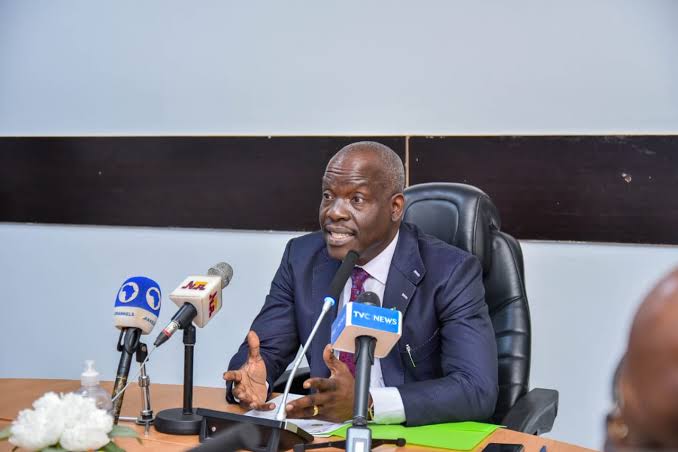
To build on these gains, the NUPRC under Chief Executive Gbenga Komolafe has cleared 37 new crude evacuation routes designed to counter oil theft and strengthen monitoring. The Commission also highlighted its use of both “kinetic” measures—working with security forces—and “non-kinetic” strategies such as audits and regulatory reforms to sustain the downward trend.
Industry stakeholders have also acknowledged the improvement. In June, the Independent Petroleum Producers Group noted that theft levels had fallen significantly compared to previous years, with credit given to enhanced security operations in the Niger Delta under President Bola Tinubu’s administration.
With crude oil losses now at their lowest in over a decade, officials say Nigeria is on course to keep tightening control of its most valuable resource, offering renewed optimism for the country’s oil-dependent economy.