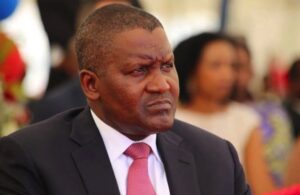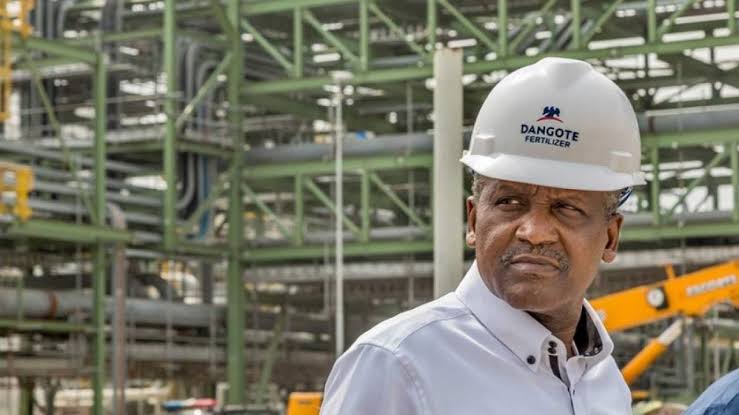
Africa’s richest man and President/CEO of Dangote Industries Limited, Aliko Dangote, has called for a re-evaluation of Nigeria’s crude supply system, asserting that the country has the capacity to meet its fuel needs domestically. He criticized practices by international oil companies that, he says, undermine local refining efforts.
Speaking during a visit by the South South Development Commission (SSDC) to the Dangote Petroleum Refinery and Fertiliser Complex in Lagos, Dangote highlighted that the Petroleum Industry Act (PIA) already provides a framework to prioritize domestic crude supply. However, he said loopholes are being exploited, allowing companies to divert Nigerian crude to trading arms overseas, often in Switzerland, forcing local refiners to purchase at inflated prices.
“The crude exists; shortages are artificial. Yet, operators sell to their subsidiaries abroad and we end up paying premiums, without benefiting from our own resources,” Dangote explained. He has written to the federal government, proposing that royalties and taxes be calculated based on the actual crude price to prevent revenue loss and support local refiners.
Currently, the Nigerian National Petroleum Corporation (NNPC) supplies five to six cargoes monthly, but Dangote says the refinery requires up to twenty cargoes per month to operate at full capacity. He described the situation as “unsustainable” for Nigeria’s industrial ambitions and emphasized the importance of value addition over raw material exports for Africa’s economic growth.
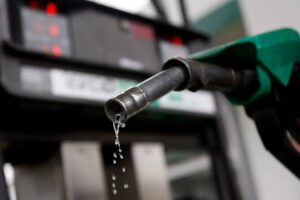
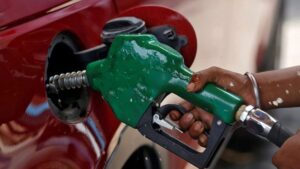
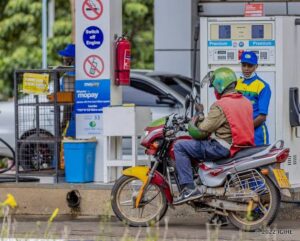
Dangote also criticized the influx of imported fuel despite Nigeria exporting significant quantities of gasoline. He pledged that the refinery will supply 50 million litres of petrol daily during the Yuletide period, aiming for 1.5 billion litres in December 2025 and another 1.5 billion litres in January 2026.
While praising President Bola Tinubu’s Nigeria First Policy, Dangote stressed that legislative support is necessary to make the initiative fully effective. He outlined the country’s potential to become a leader in value-added production, job creation, and industrial growth, noting that improving power generation and reviving the steel sector are essential for reaching the nation’s $1 trillion economic target.
Highlighting the refinery’s broader goals, Dangote said Africa’s petroleum demand is growing rapidly, while regional refining capacity remains insufficient. He also discussed partnerships with SSDC in agriculture, aiming to enhance soil testing and develop tailored fertiliser solutions to improve farm productivity.
Finally, Dangote underscored that despite global interest in electric vehicles, petroleum will remain crucial in Africa due to limited electricity access and affordability issues. He affirmed the refinery’s commitment to supporting Nigeria’s economy, strengthening local industries, and positioning the country as a net exporter of refined petroleum products.