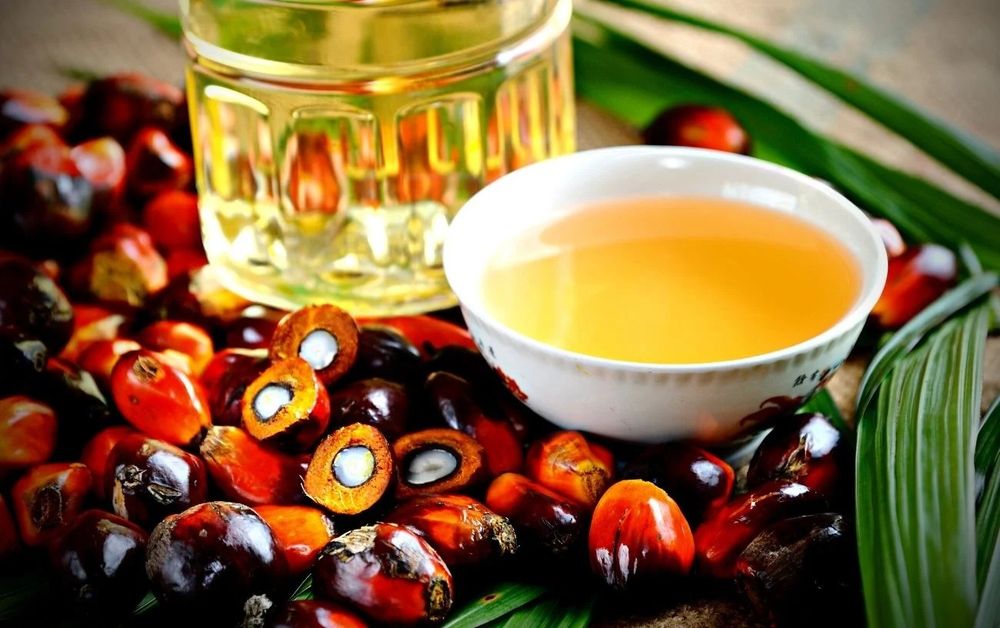
Nigeria is turning its attention back to palm oil as a promising path to diversify the economy and reduce reliance on crude oil. Experts say the country has the right environment and land mass to become a major player in global palm oil production—if key challenges are addressed.
Despite growing demand for palm oil both locally and internationally, Nigeria’s production has remained stagnant at 1.5 million metric tonnes in 2024, while consumption has climbed to 2 million metric tonnes. This has created a supply gap of 450,000 metric tonnes, according to a recent report by Afrinvest.
The report, “2025 Oil Palm Sector Report: Reviving the Red Gold,” points out that limited mechanisation, small-scale farming practices, and poor access to funding have prevented the sector from reaching its potential. However, it also notes that global changes—such as Indonesia and Malaysia shifting more palm oil to biofuel use—are pushing up prices and opening the door for Nigeria to gain ground.
With over 2.5 million hectares of suitable land and increased investor interest, Afrinvest suggests that Nigeria can close the gap and become a key supplier, especially if it focuses on improving infrastructure, scaling up production, and embracing sustainability.
Muda Yusuf, Director of the Centre for the Promotion of Private Enterprise, says investment in palm oil is gaining momentum, thanks to stronger global prices. He pointed to firms like Okomu Oil and Presco as examples of successful ventures in the sector, noting that state governments in regions like Edo and the Southeast are beginning to invest more seriously in palm cultivation.
Yusuf acknowledged the sector was long overlooked due to Nigeria’s focus on crude oil, but said there’s reason for optimism. “Palm oil farming takes time to mature, but the recent developments show promise. With the right policies and investment, we can revive this vital industry,” he said.
Experts are now urging the development of a national strategy that supports local production, reduces import dependence, and encourages exports. With coordinated efforts, Nigeria could once again rise as a major force in the global palm oil market.