Nigeria loses more than N2 billion every year due to unreliable and insufficient power supply, according to the United Nations Development Programme (UNDP).
UNDP Resident Representative, Elsie Attafuah, revealed this during the First National Legislative Conference and Expo on Renewable Energy in Lagos.
Attafuah emphasized the adverse effects of poor electricity on the country’s economy, particularly the agricultural sector.
“Agricultural produce such as yam, fruits, and vegetables are being wasted as a result of poor power supply,” she stated.
The power crisis has also worsened unemployment, with many industries struggling to operate efficiently. The UNDP has already initiated efforts to alleviate the issue by providing power-generating facilities to farmers in some northern states, yielding positive results.
Speaker of the House of Representatives, Tajudeen Abbas, stressed the urgency of transitioning to renewable energy.
“This conference marks a crucial step for the House of Representatives to engage in the global response to a critical challenge,” Abbas remarked, noting the global shift towards sustainable energy systems.
Abbas also pointed out that renewable energy is now central to global development, citing the 585 gigawatts of additional capacity in 2024, which accounted for 92% of new power generation worldwide.
In response to this shift, the Nigerian government is working on attracting renewable energy investments and has recently passed tax reforms to encourage private investment in clean energy.
The House of Representatives is also working on providing legal backing for Nigeria’s Renewable Energy and Energy Efficiency Policy adopted in 2015, and has focused on enhancing access to clean cooking fuels to improve public health and environmental sustainability.
“Renewable energy is key to creating employment and sustainable development,” said Victor Ogene, Chairman of the House Committee on Renewable Energy.
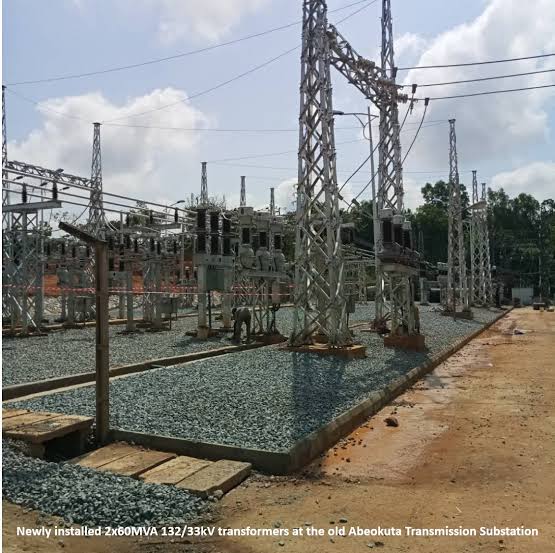
The conference highlighted the need for improved energy access and a reliable, sustainable power infrastructure to meet Nigeria’s future energy demands.
Key stakeholders from various states, including Abia, Enugu, and Osun, also addressed the importance of developing a robust power system.