
It’s been 54 years since Nigeria joined OPEC with high hopes of using its massive oil reserves to build a booming economy. But instead of a success story, what we have is a long, frustrating wait for oil wealth that never quite delivered.
Back in 1971, Nigeria stepped onto the global stage, joining forces with the world’s biggest oil producers. The plan? Work together to control oil prices and production, earn more from crude exports, and grow stronger as a nation.
But fast forward to 2025, and Nigeria is still stuck in the same place—rich in oil, poor in results.
While countries like Saudi Arabia and the UAE used oil money to modernise, build tech-driven cities, and plan for a future beyond crude, Nigeria kept pumping without a clear direction. Saudi Arabia built smart cities. The UAE rolled out a bold 50-year development blueprint. Norway saved its oil earnings for future generations. Meanwhile, Nigeria wasted oil booms on poor planning and unchecked spending.
Nigeria is Africa’s largest oil producer, yet its earnings per citizen are among the lowest globally. In 2024, it produced just 1.34 million barrels a day—far less than its OPEC quota and too little to make a real dent in poverty or infrastructure.
Break it down, and the math is brutal: Nigeria produces less than 0.01 barrels of oil per person daily. That’s way behind countries like Saudi Arabia and Kuwait—and not much better than tiny Equatorial Guinea.
As energy economist Ayo Bankole put it: “We have oil in abundance, but it’s not lifting Nigerians out of poverty. It’s like having water and still dying of thirst.”
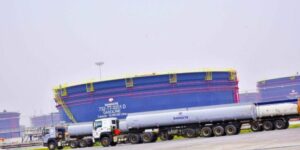
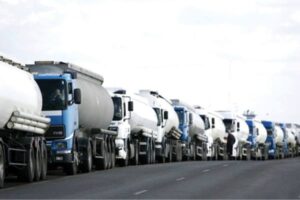
Years of oil theft, pipeline sabotage, and mismanagement have crippled Nigeria’s oil sector. An estimated 100,000–200,000 barrels are stolen every day, draining billions in lost revenue. Most of Nigeria’s four state-owned refineries barely work, so the country keeps importing the fuel it should be producing.
There’s been a glimmer of hope in 2025. For the first time in years, Nigeria exceeded its OPEC quota—producing 1.505 million barrels per day in June. It’s a step forward, but far from a victory lap. “This is progress, but it’s coming after years of failure,” said energy expert Paul Arinze.
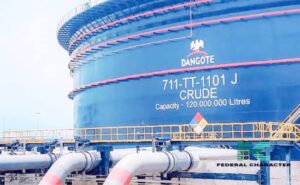
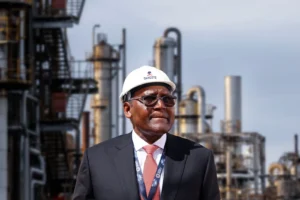
The government has made some moves—like the Petroleum Industry Act and new policies to speed up oil investments. And there’s buzz around the Dangote Refinery, which is expected to process 650,000 barrels per day once fully operational. That alone could save Nigeria $10 billion in fuel imports.
But real change will take more than just big headlines. Investors are still wary, red tape remains a problem, and without strong leadership, Nigeria risks wasting yet another decade.
Nigeria joined OPEC with big dreams. But after 54 years, the question remains: Can the country finally turn its oil into real prosperity, or will the story remain one of wasted chances?