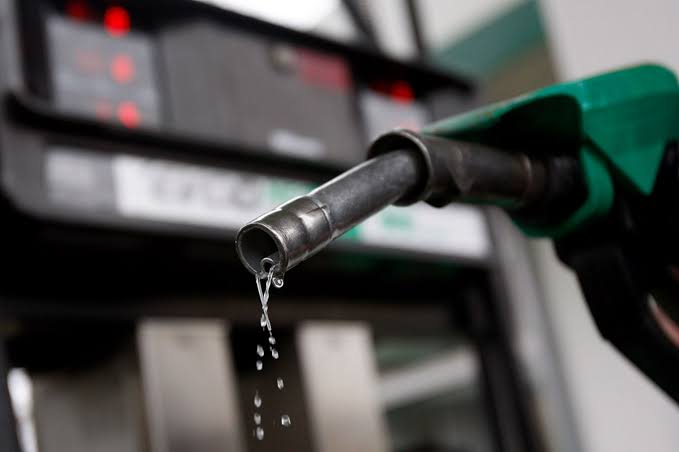
Petrol sales across Nigeria have fallen sharply by 28 percent in the last two years, leaving many filling stations with empty forecourts and attendants idle. The Nigerian Midstream and Downstream Petroleum Regulatory Authority (NMDPRA) revealed that daily consumption of Premium Motor Spirit (PMS) has slipped from 68.3 million litres in June 2023 to just over 49.2 million litres in June 2025.
The decline began after President Bola Tinubu’s decision to scrap fuel subsidy in May 2023, a move that immediately pushed pump prices from under N200 per litre to well over N600 within weeks. Since then, prices have continued to fluctuate, driven by market deregulation and frequent adjustments by marketers, despite the launch of the Dangote Refinery.
Idle Pumps, Thin Turnover
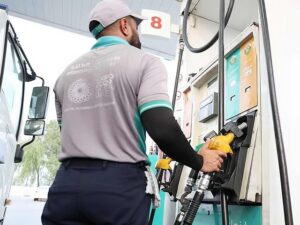
Across Abuja, Lagos, Kano, and other major cities, many independent marketers reported struggling to sell a full tanker of petrol within two months. Some stations have cut down on staff, while attendants complain of long idle hours. Consumers, they say, now buy only when absolutely necessary, often reducing trips and limiting generator use.
A station manager in Abuja admitted they once employed three attendants but now manage with one due to low sales. In Lagos, attendants told Vanguard that weekly price swings have further discouraged customers, with most motorists buying in much smaller quantities than before.
Meanwhile, a handful of retail chains such as MRS, which partners with Dangote Refinery, are attracting long queues by offering lower prices than rivals. In parts of Delta, Kano, Kaduna, and Nasarawa, stations with slightly cheaper fuel recorded higher traffic, but overall demand still lagged far behind pre-deregulation levels.
Consumers Shift to CNG
While petrol sales shrink, demand for Compressed Natural Gas (CNG) is booming. In Abuja, long lines formed at CNG outlets where prices averaged N230–N235 per kilogram — far cheaper than petrol. Ride-hailing drivers told reporters they had little need for petrol since converting their cars to gas, describing the switch as more profitable and sustainable.
Industry observers note that private vehicle owners, small businesses, and even some commercial transport operators are increasingly turning to CNG as a cost-cutting measure.
Marketers Under Pressure
The Independent Petroleum Marketers Association of Nigeria (IPMAN) warned that the industry is facing one of its toughest moments. IPMAN’s Public Relations Officer, Chief Chinedu Ukadike, blamed the downturn on high petrol prices, growing adoption of CNG, and fewer cross-border smuggling activities since subsidies ended.
“Sales are now so low that many stations only manage to sell one truck in one or two months,” Ukadike said, adding that without government intervention, smaller marketers risk closing shop completely within a few years.
Price Instability Raises Concerns
Energy consultant Henry Adigun also cautioned that constant price changes are destabilizing the downstream sector, discouraging investment, and exposing marketers to financial losses. He stressed that only healthy competition can safeguard consumer interests, urging government to keep allowing imports alongside Dangote Refinery’s supply to avoid monopoly.
For now, while petrol stations battle dwindling sales, Nigeria’s energy market is quietly shifting — with CNG fast emerging as the fuel of choice for motorists and small businesses seeking relief from soaring petrol costs.