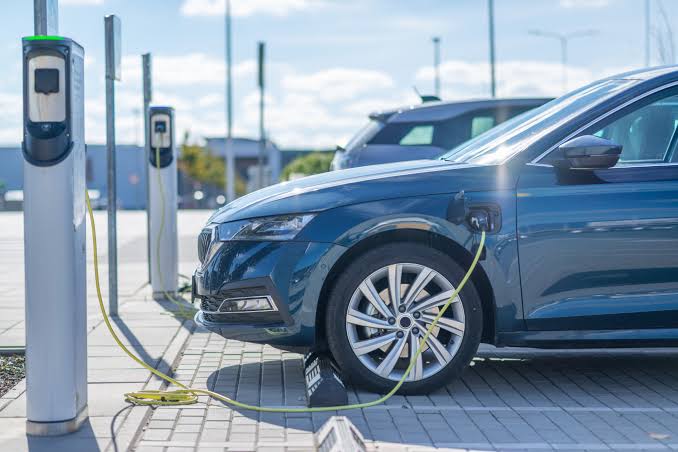
The Nigerian Midstream and Downstream Petroleum Regulatory Authority (NMDPRA) has identified unstable electricity, high costs, and lack of charging stations as the main obstacles to Nigeria’s electric vehicle (EV) rollout.
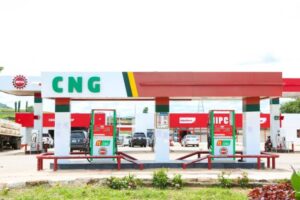
At a webinar organised by the Major Energies Marketers Association of Nigeria (MEMAN), NMDPRA’s Director of Operations, Dr. Mukaila Oseni, warned that Nigeria could fall behind global energy trends if these barriers are not urgently addressed. He explained that EVs are vital for reducing emissions, cutting transport expenses, and diversifying the country’s energy mix. He also proposed using existing fuel stations, supported by mini-grids, as convenient charging hubs.
MEMAN’s Chief Executive, Clement Isong, highlighted progress with 12 EV charging and battery-swapping points and several after-sales service centres already in place. He added that solar-powered stations, two- and three-wheeler EVs, and battery-swapping networks could fast-track adoption.
Other stakeholders also stressed the need for collaboration. The Energy Commission of Nigeria pointed to fuel stations as ideal charging locations, while the Standards Organisation of Nigeria (SON) called for strong regulations to prevent incompatible EV technologies from flooding the market.
The National Automotive Design and Development Council (NADDC) advised that Nigeria’s EV strategy must be demand-driven, citing the collapse of previous auto assembly plants as a warning.
Looking ahead, the Nigeria Off-grid Market Acceleration Programme projected that West Africa could host nearly 10 million EVs by 2050, with Nigeria expected to lead. It estimated around $20 billion would be needed for charging infrastructure and suggested blended financing models to attract investment.
Despite the challenges, experts agreed that Nigeria’s shift to electric mobility is unavoidable, but progress depends on addressing power supply, infrastructure gaps, and policy support.