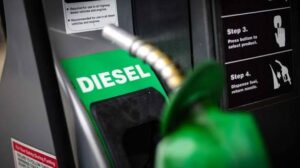
The Nigerian Midstream and Downstream Petroleum Regulatory Authority (NMDPRA) has restarted the approval of petrol import permits, granting six marketing companies the right to bring in a combined 600,000 metric tonnes of fuel about a quarter of Nigeria’s monthly consumption.
The decision marks a notable shift from the regulator’s earlier stance, when it tightened restrictions on imported petrol to encourage local refining, particularly from the new refinery built by Aliko Dangote.
Industry sources cited by S&P Global said the permits were issued on May 6 to Matrix, AA Rano, AYM Shafa, Nipco, Pinnacle and Bono. Each firm is expected to import between 60,000 and 150,000 metric tonnes depending on the category of licence granted. Most of the products are likely to be sourced from the offshore Lome trading hub and transported into Nigeria on smaller vessels.
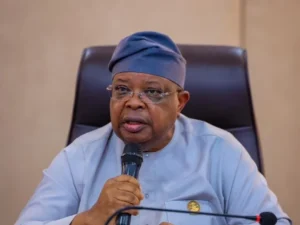
The move comes days after the replacement of the former NMDPRA chief executive, Saidu Mohammed, with Rabiu Umar, a former sales and marketing executive at Dangote Industries. Umar’s appointment was confirmed by the Senate on May 7, although it is unclear if he has formally taken over.
The regulator had previously limited petrol imports after reporting that the Dangote refinery was operating at near full capacity and producing enough fuel to satisfy local demand. However, market observers noted that supply to filling stations still appeared tight in recent months.
Data from S&P Global Commodities at Sea showed that Nigeria imported around 218,000 metric tonnes of petrol in April—more than double the volume recorded in March, but still below the year’s average. Earlier in the year, the NMDPRA had stated that it had suspended the issuance of import licences altogether.
The Chief Executive of the Dangote refinery, David Bird, recently said the facility was capable of meeting Nigeria’s petrol needs and warned that poorly regulated imports could allow substandard products into the market.
He maintained that the refinery was prepared to compete on pricing and quality if the market remained fair.
Analysts say the regulator’s latest action reflects a balancing act between ensuring supply security and preventing a monopolistic market structure, while also protecting consumers from potential shortages.
At the same time, Nigeria’s broader economic outlook has improved, attracting renewed investor interest.
The country’s stock market, bonds and currency have all strengthened as confidence grows in President Bola Tinubu’s economic reforms, which include the removal of fuel subsidies and the unification of exchange rates.
Bloomberg data shows Nigerian equities have recorded one of the strongest performances globally this year in dollar terms, while foreign participation in the market has risen sharply. In March alone, overseas investors purchased over N181 billion worth of Nigerian stocks, more than double the figure recorded in February.
Major listed firms such as Bua Cement Plc, Zenith Bank Plc, MTN Nigeria Communications Plc, Seplat Energy Plc and Aradel Holdings Plc have all posted significant gains, buoyed by improved sentiment and rising oil prices.
Nigeria is also set to benefit from its reclassification by FTSE Russell as a frontier market from September, a move expected to attract additional inflows from global index-tracking funds.
Despite the positive outlook, rising global oil prices linked to tensions in the Middle East have pushed up local fuel and fertiliser costs, raising concerns about potential pressure on food prices and inflation in the months ahead.