The Nigerian National Petroleum Company Limited (NNPC) increased its investment in the country’s three government-owned refineries—Port Harcourt, Kaduna, and Warri—to N2.92 trillion in 2024, a sharp rise from N1.72 trillion in 2023, according to its audited financial statements.
This represents a 69.5% surge in spending within a single year, with each refinery receiving significant capital injections: Port Harcourt saw its investment rise by N469 billion to N1.143 trillion, Kaduna by N446 billion to N1.088 trillion, and Warri by N280 billion to N683 billion.
Despite the heavy spending, the refineries remain largely non-operational. Nigeria has struggled for decades to revive its aging refineries, with repeated rehabilitation delays and shifting government timelines hindering progress. The combined production capacity of these refineries is around 445,000 barrels per day, yet they have not functioned at a commercial scale in over ten years.
NNPC’s Group Chief Executive Officer, Bashir Bayo Ojulari, acknowledged the challenge, attributing it to years of neglect that have made refurbishment difficult. “A lot of money has been spent, but turning these investments into profitability is complex. It’s like reviving an old car that’s been left unused for years,” Ojulari explained.
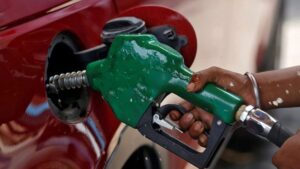
The company has completed technical and commercial reviews for the refineries and is exploring new operational models. NNPC is also leveraging its stake in Dangote Petroleum Refinery to diversify supply and prevent fuel shortages during the transition.
Earlier this year, Dangote Group President Aliko Dangote questioned the likelihood of the government-owned refineries resuming operations, noting that $18 billion had already been spent without meaningful results. Ojulari, however, reaffirmed NNPC’s commitment to bringing the Port Harcourt, Kaduna, and Warri refineries back online as viable, revenue-generating facilities.
NNPC continues to assess whether to overhaul or repurpose the refineries, aiming to align them with international operational standards and ensure they contribute meaningfully to Nigeria’s fuel supply.