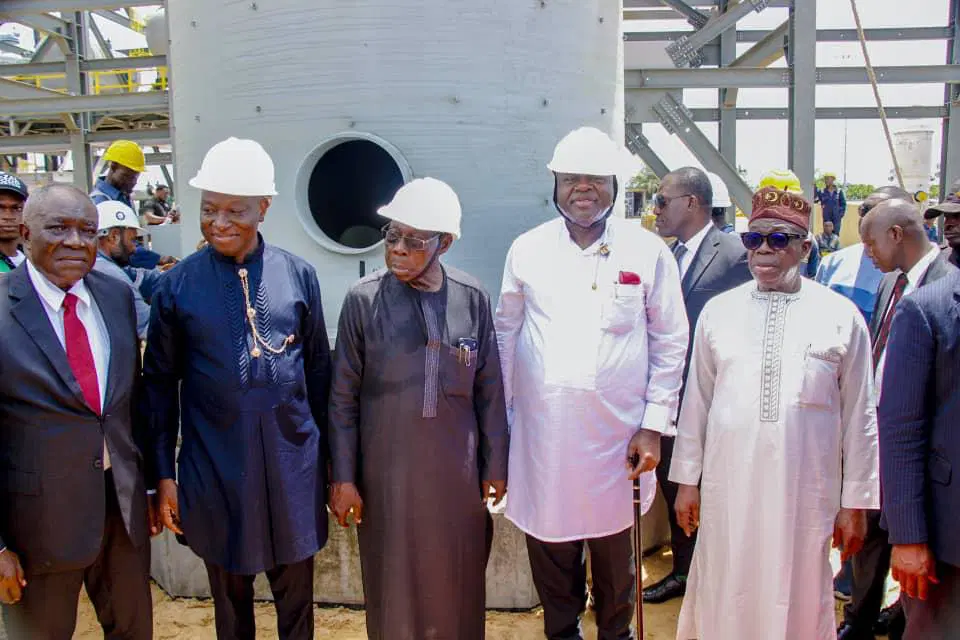
Former President Olusegun Obasanjo and Bayelsa State Governor Douye Diri have called for a review of the 13 per cent derivation formula for oil-producing states, arguing that the current allocation does not adequately reflect the contribution of the Niger Delta to Nigeria’s petroleum industry.
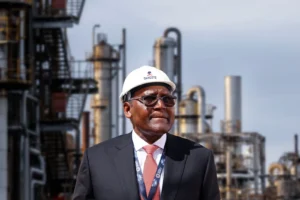
The two leaders made their positions known on Monday during the inauguration of the crude distillation unit of Azikel Refinery in Obunagha, Yenagoa Local Government Area of Bayelsa State.
Obasanjo said the existing 13 per cent allocation was only a starting point, noting that oil-producing states and their communities had yet to receive what he considered a fair share of the benefits from their natural resources.
He also commended Azikel Group President, Azibapu Eruani, for driving the $1bn refinery project and urged him to complete the facility within the next 12 months.
Obasanjo praised the project’s technical team, the African Finance Corporation and Afreximbank for their contributions. He also acknowledged Diri’s support for the investment and his administration’s development projects in the state.
The former president, who laid the refinery’s foundation stone eight years ago, said the project had made significant progress since his last visit and called for continued support to ensure its completion.
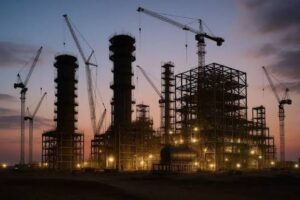
When operational, the refinery is expected to produce 2.5 million litres of petrol and two million litres of diesel daily, alongside other petroleum products.
Speaking at the event, Eruani said the facility would promote industrialisation in Bayelsa and the wider Niger Delta while creating opportunities for the region to participate more directly in the petroleum value chain.
He described the installation of the crude distillation unit as a major milestone towards completing the refinery, adding that local refining aligned with the Federal Government’s drive to improve the availability and affordability of petroleum products.
Diri, however, argued that oil-producing communities deserved a greater role in managing and benefiting from the resources extracted from their land.
The governor criticised the Land Use Act and the current derivation arrangement, saying the legal framework limited the control states could exercise over resources beneath their territory.
He maintained that the Niger Delta was not seeking to take all the benefits from oil production but wanted a meaningful role in decisions concerning its resources and the industry.
Diri said the refinery would give residents of Bayelsa an opportunity to become more active participants in petroleum operations. He urged young people in the state to acquire the skills needed to benefit from jobs and other opportunities the project could generate.
He also called on oil companies operating around Gbarain and Obunagha to support the state government by repairing the road leading to the refinery.
The proposed increase in derivation payments would give oil-producing states a larger share of revenue from petroleum resources, a longstanding issue in debates over resource control and the distribution of Nigeria’s oil wealth.