The Petroleum and Natural Gas Senior Staff Association of Nigeria (PENGASSAN) has called for stronger institutions to address disputes in Nigeria’s oil and gas sector, amid ongoing accusations of sabotage involving the Dangote Refinery and industry regulators.
Speaking during an interview on Channels Television, PENGASSAN President, Festus Osifo, warned against broad allegations of sabotage, saying such claims must be clearly explained and handled through established institutions rather than personal accusations.
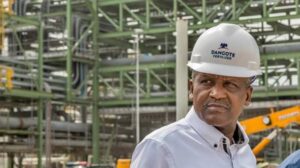
Osifo was reacting to repeated claims by the President of Dangote Group, Aliko Dangote, that criminal networks and regulatory failures are deliberately frustrating the operations of his Lekki-based refinery.
Dangote had also called for an investigation into the former chief executive of the Nigerian Midstream and Downstream Petroleum Regulatory Authority (NMDPRA), Farouk Ahmed, over alleged personal spending abroad.
According to Osifo, loosely framed accusations could harm the industry and discourage investment. He stressed that allegations should be broken down into specific issues that regulators can investigate and resolve transparently.
He noted that regulatory agencies such as the NMDPRA and the Nigerian Upstream Petroleum Regulatory Commission must be strong, independent, and capable of supporting business growth while ensuring compliance with the law.
While describing the Dangote Refinery as a major achievement and a source of national pride, Osifo said its long-term success depends on cooperation between refinery operators and government institutions.
He added that regulators have a responsibility to help the refinery grow, while management must also recognise and respect regulatory oversight.
Osifo also acknowledged the competing interests within the downstream sector, explaining that while Dangote is pushing to end fuel imports, other players rely on importation for their survival.
He said regulators must balance these interests to protect Nigeria’s energy security.
He further stated that the Minister of Petroleum Resources plays a central role in aligning stakeholders and ensuring that decisions taken benefit both the industry and the wider Nigerian population.
Earlier in December, Dangote alleged that his refinery had suffered losses estimated at over $80 million due to theft, vandalism, and deliberate sabotage.
He claimed that powerful interests within the oil sector were working to protect fuel import profits at the expense of local refining.
Osifo concluded by calling for dialogue among all stakeholders, insisting that sustainable progress in the oil and gas sector can only be achieved through strong institutions, collaboration, and policies that serve the interests of Nigerians.