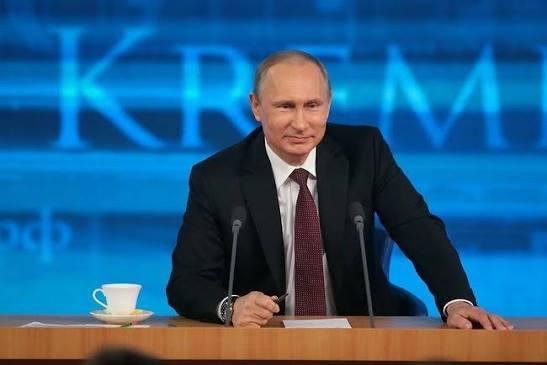
Russian President Vladimir Putin has approved new measures allowing domestic oil refiners to keep receiving state fuel subsidies, even as wholesale fuel prices surpass previous limits. The move is aimed at stabilizing the domestic fuel market and protecting refiners hit by intensified Ukrainian drone attacks on key energy infrastructure.
Under the revised rules, effective from October 1 to May 1, refiners will continue to benefit from government payments regardless of how far diesel and gasoline prices rise above established thresholds. Previously, these subsidies were only guaranteed if wholesale prices remained within 10 percent of a set limit for gasoline and 20 percent for diesel.
The Russian government introduced the subsidy scheme to ensure a steady domestic fuel supply, even when exports offered higher profits. Last year, Moscow spent about 1.8 trillion rubles ($22 billion) supporting refiners, but payouts dropped sharply in 2025 due to falling processing rates following repeated Ukrainian strikes.
Since early August, attacks on Russian refineries have disrupted operations and caused local fuel shortages, pushing domestic prices upward. In response, Deputy Prime Minister Alexander Novak announced last month that the price ceilings triggering government compensation would be raised—by 10 percentage points for gasoline and by 30 percent for diesel.
The relaxed subsidy framework reflects the Kremlin’s efforts to shield the country’s fuel market from war-related disruptions while maintaining stability for both producers and consumers.
Oil prices on Monday reflected broader market pressures, with Brent crude trading around $62 per barrel and West Texas Intermediate at about $58, both down nearly 2 percent.