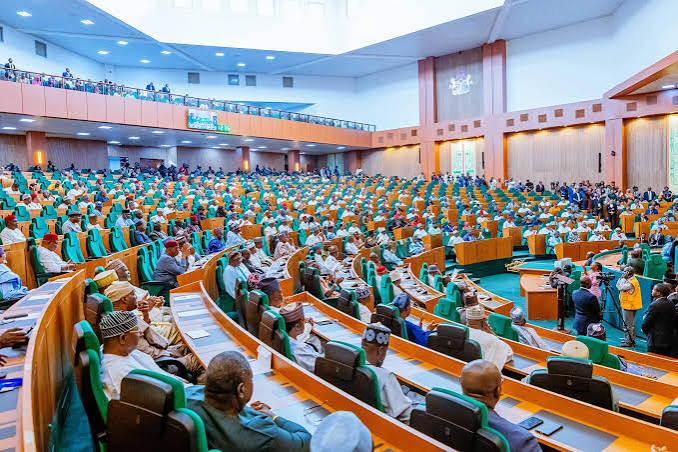
The House of Representatives has called for stricter guidelines for importing electric vehicles, compressed natural gas (CNG) vehicles and related equipment into Nigeria, proposing that importers invest in local maintenance services, technical training and supporting infrastructure.
The proposal followed a motion presented by Lagos lawmaker Ademorin Kuye during Tuesday’s plenary session.
Kuye said companies benefiting from government tax reliefs and import duty concessions for clean-energy vehicles should demonstrate their commitment to developing the infrastructure needed to support their products in Nigeria.
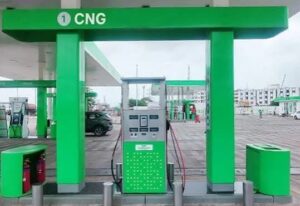
He noted that the country’s shift towards alternative fuels would require more than importing vehicles, stressing the need for charging stations, CNG refuelling facilities, repair centres, spare parts and trained technicians.
The House urged the Federal Government to introduce a transparent licensing system for commercial imports of electric vehicles, CNG-powered vehicles and related clean-mobility equipment.
It also called on the National Automotive Design and Development Council to work with the Bureau of Public Procurement, Standards Organisation of Nigeria, Nigeria Customs Service and other relevant agencies to establish clear requirements for importers.
Under the proposed rules, companies would need to provide certified maintenance centres, genuine spare parts, warranty services and qualified Nigerian personnel trained to maintain the vehicles.
Importers would also be assessed on their investment in charging stations or CNG refuelling facilities, compliance with national safety and environmental standards, and plans for after-sales support and consumer protection.
To improve transparency, the House proposed a public register of approved importers and infrastructure providers. It said the approval process should be open to all companies that meet the requirements, without unfair preference.
Lawmakers further proposed linking government incentives, including tax reliefs and import duty concessions, to compliance with the new requirements. The aim is to ensure that such benefits encourage local investment, create jobs and promote technology transfer.
The proposal comes as Nigeria seeks to diversify its energy sources and reduce dependence on petrol and diesel in the transport sector.
Electric vehicles require reliable charging networks and maintenance services, while CNG-powered vehicles depend on accessible refuelling stations and technicians with the necessary skills to handle the technology safely.
The proposed framework is intended to ensure that the growth of clean-energy vehicle imports is matched by the infrastructure and technical support needed to serve Nigerian motorists.
If adopted, the measures could also strengthen consumer protection by requiring importers to provide warranties, genuine replacement parts and accessible repair services.