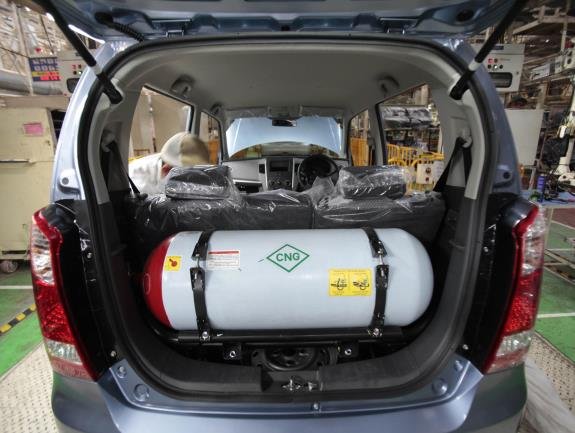
Nigeria’s House of Representatives is raising red flags over the sluggish implementation of the country’s Compressed Natural Gas (CNG) policy, a key part of the government’s post-subsidy clean energy push. At an investigative hearing, lawmakers pressed for transparency, equity, and stronger oversight to ensure the policy delivers on its promise of cheaper, safer, and cleaner fuel alternatives—especially for transport.
House Speaker Tajudeen Abbas, represented by Hon. Sada Soli, described the CNG rollout as critical to Nigeria’s energy shift. He said the hearing was meant to uncover bottlenecks and ensure Nigerians truly benefit from the policy. Lawmakers questioned delays, funding use, safety standards, and whether environmental and social targets were being met.
Chairman of the Ad-hoc Committee on the Implementation of the CNG Policy, Hon. Jaha Usman, warned that unless urgent reforms happen, the initiative could stall. He flagged concerns about accessibility, safety, legal frameworks, and uneven distribution of conversion centres. Agencies like the petroleum, finance, and transport ministries, along with regulators and the NNPC, were asked to submit detailed reports.
The committee heard from stakeholders across sectors. The Project Director of the Presidential CNG Initiative, Michael Oluwagbemi, announced that conversion centres had risen to 300 in 24 states and confirmed that vehicle conversions were ongoing free of charge. He also revealed staff dismissals for misconduct, underscoring a no-tolerance approach to corruption.
The NNPC’s Executive VP of Gas, Lekan Ogunleye, said infrastructure is in place and a 50% discount on vehicle conversions is being offered. The transport unions backed the policy, urging equal access nationwide. The FRSC supported the programme too, citing its safety and cost benefits, and announced new inspection protocols and training tied to CNG use.
Overall, lawmakers and stakeholders agreed that the policy holds promise but needs stronger implementation, transparency, and collaboration to succeed. Legislative backing, proper funding, and technical standards were identified as critical next steps.