Russia has moved to tighten controls on fuel exports after a series of Ukrainian drone strikes severely disrupted its refining sector, reducing output and fueling shortages across the country.
Deputy Prime Minister Alexander Novak confirmed that independent traders will be barred from exporting diesel until the end of 2025, while a previous ban on gasoline exports by both producers and resellers will be extended through the year. He said the restrictions are designed to safeguard domestic supplies, which have come under pressure in recent weeks.
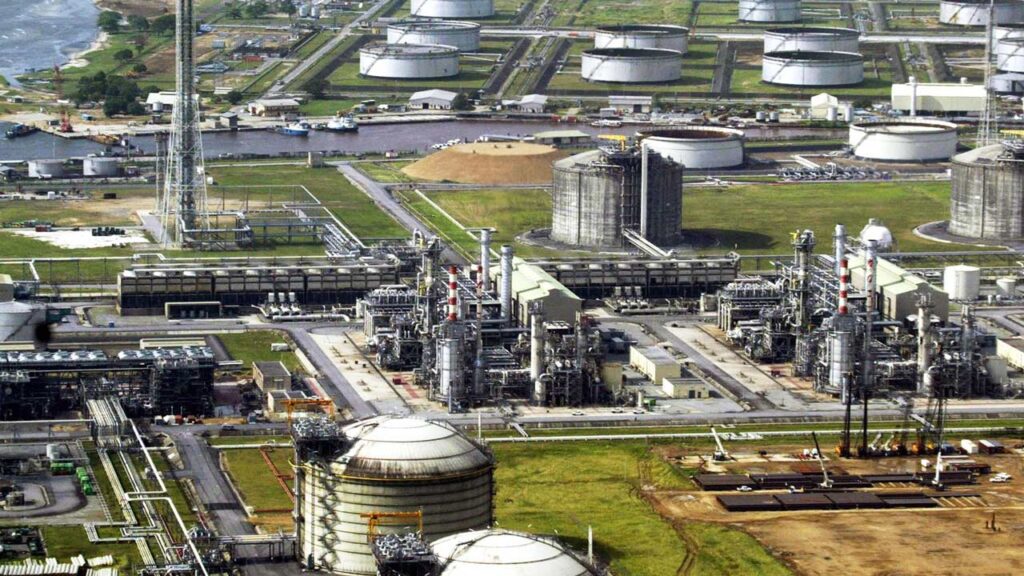
The measures come as Russian refining capacity has fallen by nearly 20% on some days due to the attacks, cutting shipments from major ports and pushing Moscow closer to reducing crude oil production. Some regions are already experiencing limited availability of certain fuel grades.
Although diesel exports by traders are now off the table, shipments handled by large producers through Russia’s pipelines to the Baltic and Black Sea will continue, meaning most international flows will remain intact. Russia produced about 86 million metric tons of diesel in 2024, exporting 31 million tons, making it one of the world’s biggest suppliers alongside the U.S.
The announcement rattled global markets, with low-sulphur gasoil futures jumping over 5% and reaching their highest premium to Brent crude in months.
At home, signs of strain are mounting. Reports suggest some Lukoil stations in Moscow have restricted gasoline sales in containers, while officials in Crimea admitted supply disruptions tied to refinery closures.
Novak maintained that fuel reserves are being deployed to ease shortages, insisting the bans will stabilize the market and secure steady supply within Russia.