Oil refineries play a crucial role in meeting global energy needs by converting crude oil into fuels and petrochemical products that power transportation, industries, and households. From century-old plants in the United States to newly built mega-refineries in Asia and Africa, these facilities form the foundation of the world’s energy supply chain.
Here are the 11 largest oil refineries in the world, based on capacity and historical significance:
- Port Arthur Refinery, United States
Operated by Motiva Enterprises, the Port Arthur refinery in Texas was first established in 1903 and rebuilt in 2002. It can process around 600,000 barrels per day (bpd), making it one of America’s most important refining hubs. - Baton Rouge Refinery, United States
Owned by ExxonMobil, this Louisiana-based refinery started operations in 1909 and has been continually upgraded. It now processes about 520,000 bpd and remains vital to the U.S. energy network. - Galveston Bay Refinery, United States
Located in Texas City and operated by Marathon Petroleum, the refinery began operations in 1931. After several expansions, it can refine up to 631,000 bpd, supporting both domestic and international markets. - Ras Tanura Refinery, Saudi Arabia
Managed by Saudi Aramco since 1945, Ras Tanura is one of the Middle East’s oldest and most strategic refineries, with a capacity of 550,000 bpd. - Paraguaná Refining Complex, Venezuela
Operated by PDVSA, this complex combines three refineries — Amuay, Cardón, and Bajo Grande — with a total processing capacity of 940,000 bpd, ranking it among the largest globally. - Ulsan Refinery, South Korea
Run by SK Energy since 1964, the Ulsan facility can process 850,000 bpd and serves as South Korea’s largest and most technologically advanced refinery. - Yeosu Refinery, South Korea
Established in 1969 and operated by GS Caltex, the Yeosu refinery handles about 840,000 bpd. A 2021 expansion boosted its environmental efficiency and production capacity. - Onsan Refinery, South Korea
Operated by S-Oil Corporation, the Onsan refinery started operations in 1979 and processes 669,000 bpd, known for producing cleaner, low-sulfur fuels. - Ruwais Refinery, United Arab Emirates
Owned by ADNOC, the Ruwais refinery began operations in 1982 and was expanded in 2015 to reach a capacity of 827,000 bpd, reinforcing the UAE’s refining capabilities. - Jamnagar Refinery, India
Built by Reliance Industries in 1999 and expanded in 2008, the Jamnagar refinery in Gujarat is the world’s largest, with a processing capacity of 1.24 million bpd. It serves as a global benchmark for modern refining efficiency. - Dangote Refinery, Nigeria
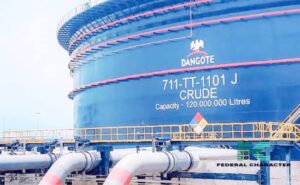
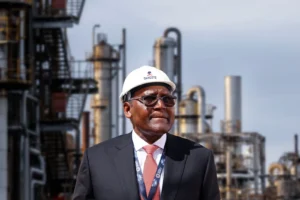
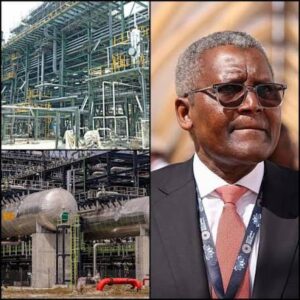
Launched in 2023, the 650,000 bpd Dangote Refinery in Lagos is Africa’s biggest and newest refinery. It aims to make Nigeria self-sufficient in refined products while boosting exports across the continent.
Together, these facilities highlight how far refining technology has come — from early 20th-century engineering projects to today’s integrated, high-capacity energy complexes that keep the world’s fuel supply steady and reliable.