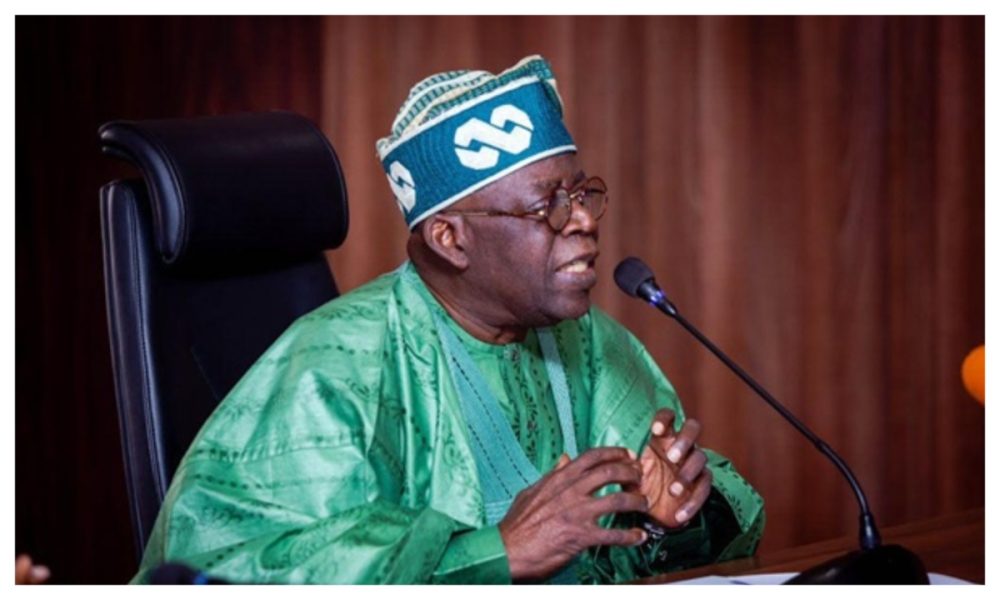
Concerns are growing across Nigeria’s oil and gas sector following a new executive order by Bola Tinubu directing that oil and gas revenues be paid directly into the Federation Account for distribution among the three tiers of government.
The order, which takes immediate effect, stops key agencies from retaining certain internally generated revenues, triggering anxiety within the Nigerian Upstream Petroleum Regulatory Commission (NUPRC), the Nigerian National Petroleum Company Limited (NNPC), and the Midstream and Downstream Gas Infrastructure Fund.
Industry sources say the major concern is the lack of clarity on how affected agencies will fund their operations, especially where existing laws already outline specific funding structures.
At the NUPRC, senior officials argue that the Petroleum Industry Act (PIA) deliberately created an independent funding framework for the regulator to protect it from political and bureaucratic interference. They warn that removing the commission’s statutory revenue sources without a clear alternative could weaken its ability to carry out critical oversight, monitoring and enforcement duties in the upstream oil and gas sector.
Officials also fear that reverting the regulator to traditional budgetary funding could delay operations, reduce efficiency and make it harder to attract and retain highly skilled professionals needed to regulate a technically complex industry. According to insiders, uncertainty over funding could also affect Nigeria’s reserve replacement drive and frontier exploration plans.
At the NNPC, concerns are focused on how the directive could affect production sharing contracts, especially in deepwater operations.
Company sources say these arrangements are based on sharing physical crude and gas volumes, not direct cash payments, warning that any misunderstanding of this structure could disrupt operations and confuse existing contractual processes.
Some officials believe the order could send negative signals to investors, particularly those involved in new deepwater projects, raising fears about policy stability in Nigeria’s oil and gas industry. Others have raised questions about how crude-backed loan obligations will be met if revenue flows are altered without proper coordination.
However, another group of senior NNPC officials has played down the impact of the directive, insisting the company remains financially stable and capable of adjusting to the new fiscal framework. They say oil and gas production, gas processing and ongoing projects will continue without interruption, while investment priorities may be reviewed to align with the new policy direction.
Reactions to the order have been mixed across the wider industry. The Petroleum Products Retail Outlets Owners Association of Nigeria (PETROAN) praised the move, describing it as a bold step towards transparency, accountability and fiscal discipline. The group said centralising revenue remittance could strengthen public confidence and help reposition NNPC as a more commercially driven entity.
On the labour side, the Nigeria Union of Petroleum and Gas Workers has called on the President to urgently convene a stakeholders’ meeting. The union said workers across upstream, midstream and downstream operations are anxious about the implications of the order for job security, welfare and existing agreements under the PIA.