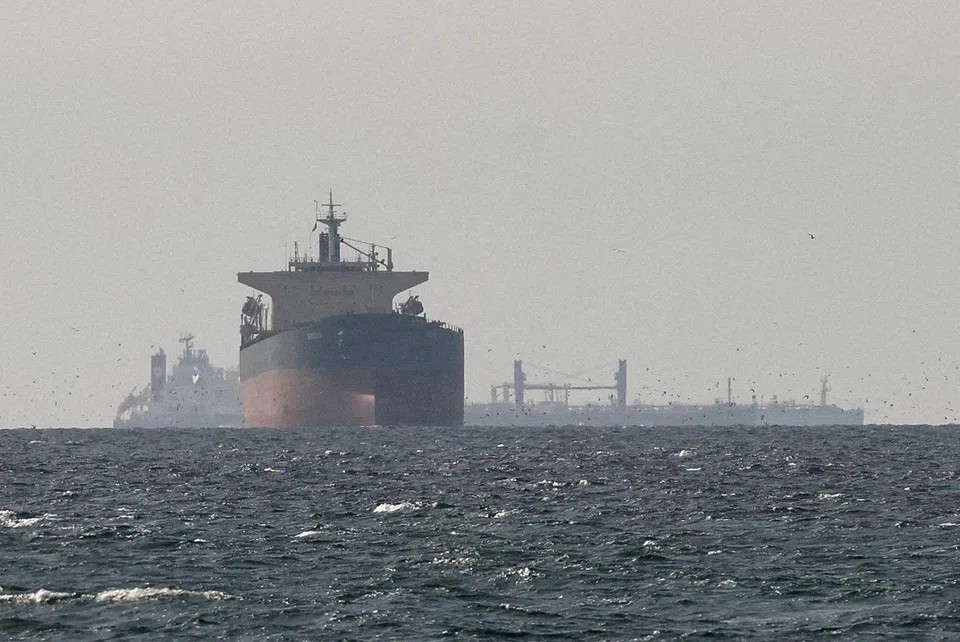
Two commercial ships have successfully passed through the Strait of Hormuz despite ongoing military tension in the Gulf, offering a cautious sign that limited maritime movement may still be possible as diplomatic contacts continue behind the scenes.
Iranian state media indicated that Tehran has sent its response to a United States proposal aimed at pausing hostilities and opening a path to negotiations. The message was reportedly delivered through Pakistan, which has been acting as an intermediary between the two sides. According to the reports, Iran’s position stressed the need to end fighting across multiple fronts and to guarantee safe navigation through the strategic waterway.
The United States had earlier suggested a temporary halt to the conflict before broader discussions on sensitive issues, including Iran’s nuclear programme. There was no immediate public reaction from Washington to the reported response.
The Strait of Hormuz remains one of the most sensitive flashpoints in the crisis. The narrow route, which connects Gulf producers to global markets, has seen restrictions on foreign vessels since the conflict intensified, raising fears of disruption to global energy supplies.
Amid these tensions, a liquefied natural gas carrier operated by QatarEnergy, Al Kharaitiyat, completed a passage through the strait on its way to Port Qasim in Pakistan. Shipping analytics firm Kpler noted that this was the first Qatari LNG shipment to use the route since the conflict began earlier this year.
Sources familiar with the arrangement said the clearance was intended to help Pakistan manage electricity shortages caused by disrupted gas imports, while also serving as a confidence-building step involving Doha and Islamabad, both of which are engaged in mediation efforts.
In a separate development, Iran’s semi-official Tasnim News Agency reported that a Panama-flagged bulk carrier heading for Brazil was also permitted to pass after being assigned a specific route approved by Iranian authorities, following an earlier unsuccessful attempt days before.
Security concerns around the waterway remain high. The United Kingdom has confirmed the deployment of HMS Dragon to the Middle East as part of preparations for a potential multinational mission to protect shipping. The Royal Navy destroyer is being positioned in readiness for a strictly defensive role should participating countries agree on a coordinated operation.
British Prime Minister Keir Starmer, working with French President Emmanuel Macron, has indicated that such a mission would only begin after active fighting subsides. The UK Ministry of Defence described the move as precautionary planning to ensure rapid response capability.
The warship recently operated in the eastern Mediterranean, where it was tasked with safeguarding British facilities in Cyprus after drone activity near RAF Akrotiri earlier this year.
Diplomatic discussions on maritime security have also expanded, with reports that representatives from over 50 countries met last month to explore ways of ensuring safe commercial passage through the corridor, led by Britain and France.
Meanwhile, regional leaders have urged restraint. Qatari Prime Minister Mohammed bin Abdulrahman Al Thani reportedly told Iranian Foreign Minister Abbas Araqchi that restricting access to the strait could worsen the crisis and threaten freedom of navigation.
Oil markets have reacted nervously to the developments, with prices hovering around $100 per barrel as traders monitor the situation for signs of either escalation or de-escalation in the Gulf.