A new report from the U.S. Department of Energy warns that the country could see a significant rise in blackouts by 2030 if planned closures of coal and gas power plants continue without adequate replacements. The report attributes the looming energy shortfall to a combination of growing electricity demand—especially from AI-driven data centers—and a heavy reliance on renewable sources like wind and solar, which are dependent on weather conditions.
The Energy Department says outages could double in the next five years unless more stable, dispatchable power sources are brought online. It argues that moving away from coal and gas too quickly could harm the economy, national security, and the U.S.’s role in advancing technologies like artificial intelligence.
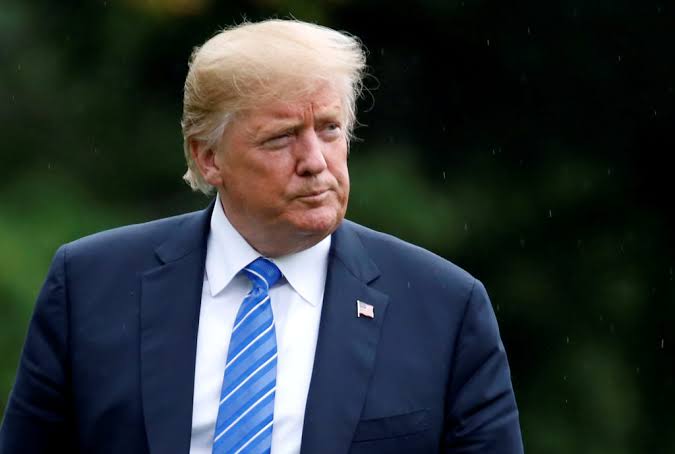
President Donald Trump’s administration is using the findings to support its push for fossil fuels. Energy Secretary Chris Wright stated that boosting domestic energy production is vital to keeping the grid stable, managing prices, and supporting AI development.
The report follows Trump’s $3.4 trillion fiscal proposal, which includes plans to cut tax credits for wind and solar energy—a move expected to slow the country’s transition to clean energy. Although solar has recently led new power installations due to its affordability and quick setup, officials warn that upcoming plant retirements—comparable in capacity to 100 nuclear reactors—could leave the U.S. vulnerable to power shortages during periods when renewables underperform.