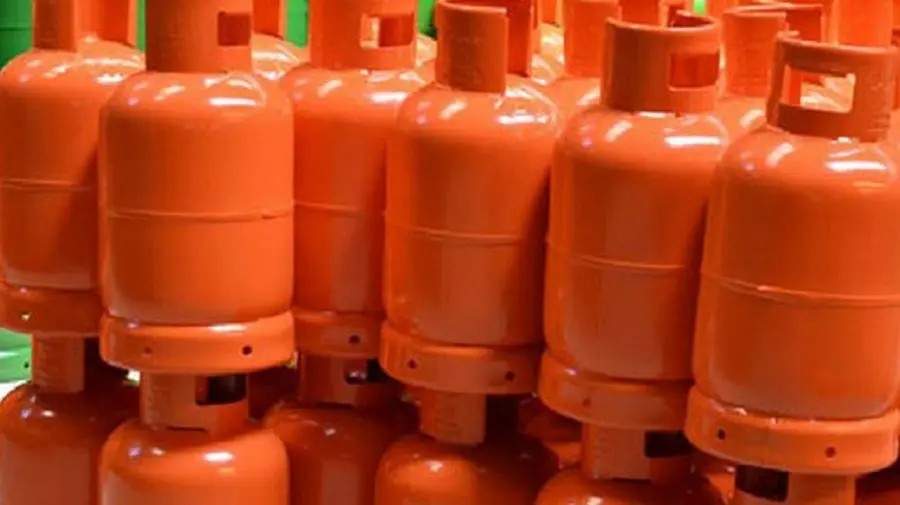
Cooking gas prices have climbed across Nigeria after depot operators increased rates by about N100 per kilogram, following fresh tensions in the Middle East involving the United States, Israel and Iran.
Market checks in Lagos and other key distribution hubs show that ex-depot prices have moved sharply upward in response to rising global crude oil benchmarks.
At the depots, Nipco Plc is now selling Liquefied Petroleum Gas (LPG) at N950 per kilogram. Navgas Limited has adjusted its price to N900 per kilogram, while Techno Oil Limited is dispensing at N885 per kilogram. The previous average market rate hovered around N800 per kilogram before the latest spike.
The adjustment followed a jump in Nigeria’s Bonny Light crude grade to $80 per barrel, up from $70 per barrel – the strongest level recorded since mid-2025. The rally came after coordinated strikes on Iran reportedly disrupted crude supply routes in the Middle East, triggering renewed concerns over global oil availability.
Other international oil grades also posted notable gains. Brent crude climbed to about $79 per barrel from roughly $73, while Murban crude traded above $81 per barrel. West Texas Intermediate also strengthened, rising from around $62 to over $72 per barrel within days.
Industry watchers say the escalation has unsettled the global oil market, especially given Iran’s estimated output of roughly three million barrels per day, much of which is exported to Asian markets. Any interruption in that supply is seen as a risk to overall market stability.
The Organization of the Petroleum Exporting Countries has previously highlighted Iran’s significant oil and gas reserves, underlining the importance of its production to global energy flows.
In Nigeria, the effect has been swift. LPG, which is largely influenced by international pricing and foreign exchange rates, tends to respond quickly to movements in crude benchmarks. Depot operators say replacement costs for new cargoes are expected to be higher, prompting immediate revisions to ex-depot prices to avoid losses.
Traders also point to heightened price swings in the global market, which have forced suppliers to act quickly in order to protect margins.