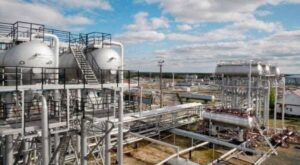
West African nations have agreed to work together on a shared plan to boost local oil refining and reduce dependence on fuel imports. As part of the initiative, the countries are expected to sign joint regulatory agreements by the fourth quarter of 2025, according to the Nigerian Midstream and Downstream Petroleum Regulatory Authority (NMDPRA).
The announcement came during a two-day conference in Abuja focused on the region’s refined fuel market. The event, co-hosted by NMDPRA and S&P Global, produced a roadmap that outlines key steps from 2025 to 2030 to support regional refining capacity and investment.
Professor Zainab Gobir, Executive Director of Economic Regulations and Strategic Planning at NMDPRA, said the agreement will require full compliance from all member states. Strict penalties will be imposed on countries or refineries that fail to meet performance expectations. The goal is to get all refineries running efficiently and consistently across the region.
The agreement will include a common regulatory framework, unified market policies, and investor incentives. These measures are designed to attract funding for both new (greenfield) and existing refinery projects and to protect domestic refineries from being undercut by foreign competitors.
Gobir also highlighted the need for financial support from development banks like Afreximbank, the African Finance Corporation, and the African Energy Bank to close infrastructure gaps in the short term.
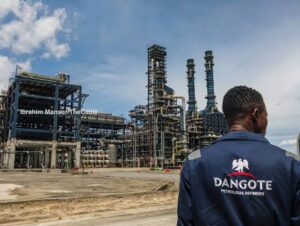
She described Nigeria’s Dangote Refinery as a “game changer,” helping to shift the balance in the regional fuel market and setting an example for other upcoming refineries across West Africa.
NMDPRA Chief Executive Farouk Ahmed noted that five key locations in West Africa already have potential to serve as fuel pricing hubs. He said that plans are underway — in partnership with S&P Global — to establish one of these hubs in Nigeria, which could strengthen energy security and improve trade within the region.
The coordinated efforts are expected to kick off with the signing of the agreements later this year, marking a significant step toward a more integrated and self-reliant refining industry across West Africa.