The European Union has introduced new sanctions to stop Russia from making money off oil while the war in Ukraine continues. But instead of hurting Russia, the move might end up hurting Europe’s pockets.
Here’s what’s happening:
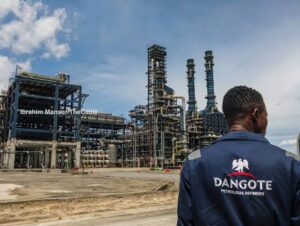
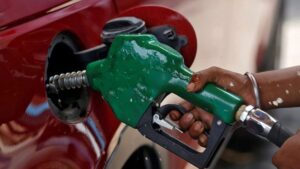
Europe has been buying diesel and jet fuel from India. But what most people didn’t know is that India was using cheap oil from Russia to make that fuel. Now, with these new rules, the EU says it will no longer buy any fuel made from Russian oil—even if it’s been processed in another country.
That means Europe will have to find new places to buy fuel. And chances are, those new sellers—mostly from the Middle East—will charge higher prices.
So what does that mean for the average person?
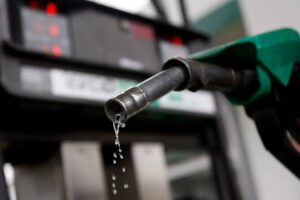
If you live in Europe, it could mean paying more for petrol, flights, and transport. If you live elsewhere, it still affects you because rising fuel prices often lead to higher prices for food, goods, and services around the world.
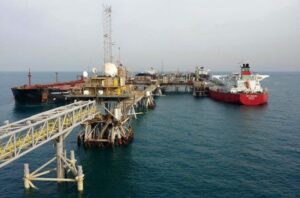
Meanwhile, Russia isn’t too bothered. Instead of using Western ships and insurance to sell its oil, it’s using its own tankers and private networks that avoid sanctions. So the oil keeps flowing, and the money keeps coming in.
At the end of the day, Europe wants to punish Russia, but the plan might end up making life more expensive for Europeans, and it may not stop Russia’s oil sales at all.