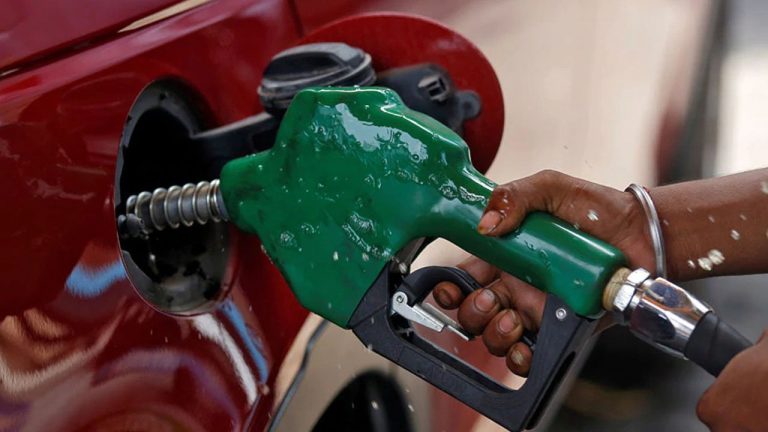
Nigeria’s reliance on imported fuel has jumped dramatically, with over 70% of the country’s petrol supply in May and June 2025 sourced from abroad—despite efforts to promote domestic refining through massive investments like the Dangote Refinery.
According to newly released figures from the Nigerian Midstream and Downstream Petroleum Regulatory Authority (NMDPRA), about 2.32 billion litres of petrol were imported over the two-month period, compared to just 927 million litres supplied by local refineries. This trend has sparked fresh debate over the country’s energy policies, market competitiveness, and the role of the Dangote refinery in shaping the downstream sector.
Daily import volumes averaged 34.1 million litres in June, while local production lagged behind at 15.2 million litres. In May, imports were even higher at 43.2 million litres per day.
The heavy reliance on foreign fuel has reignited tensions between oil marketers, government regulators, and stakeholders in the local refining industry. At the centre of the debate is a push by Dangote Group President, Aliko Dangote, for the Federal Government to ban the importation of refined petroleum products under its “Nigeria First” policy. Dangote argues that unchecked imports are undermining domestic refining and weakening investor confidence.
But major stakeholders, including the Independent Petroleum Marketers Association of Nigeria (IPMAN), have warned against any such move, saying it could create a dangerous monopoly and stifle market competition. IPMAN spokesperson Chinedu Ukadike said marketers were already under intense pressure, facing high borrowing costs and volatile pricing structures. He insisted that forcing marketers to buy only from Dangote could destabilise the sector.
“There’s nothing wrong with competition,” Ukadike said. “If Dangote wants to dominate, let him do it by offering better prices, not by pushing for a ban that limits our options.”
Petrol prices from private importers are currently lower than the Dangote refinery’s ex-depot rate, making imported products more attractive for marketers. Analysts say this pricing gap has made it difficult for Dangote’s newly launched petrol supply to gain traction, even though it’s being produced locally.
State-by-state fuel distribution figures show Lagos leading with over 205 million litres trucked out in the two-month period, followed by Ogun, the Federal Capital Territory, Oyo, and Delta states—areas with high vehicle density and commercial activity.
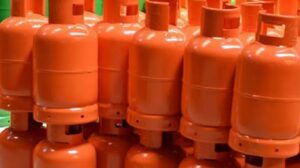
Other products like aviation fuel, kerosene, diesel, and cooking gas are also mostly imported, with some categories like LPG (cooking gas) showing zero local output for June.
Experts say the current imbalance in supply sources is a red flag for Nigeria’s energy security. Professor Dayo Ayoade from the University of Lagos warned that banning imports without a strong local production base would hurt consumers and breach international trade norms.
He urged the government to support the development of multiple refineries and avoid policies that concentrate market power in the hands of a single player.
The report arrives as the Dangote refinery gears up to expand its distribution in mid-August. Industry watchers are bracing for potential policy changes and competitive reshuffling that could reshape the fuel market in the coming months.