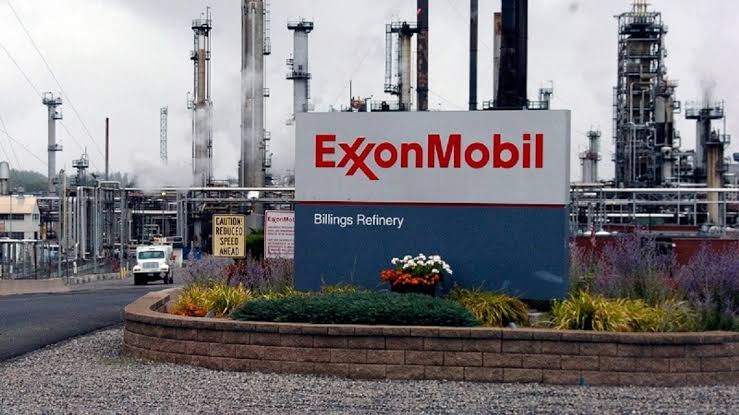
ExxonMobil has reportedly tied a proposed $80 billion oil development in Kazakhstan to the resolution of a long-running dispute between the government and international oil companies.
The proposed project would expand oil production from the western section of the giant Kashagan field in the Caspian Sea. Exxon is considering an equal partnership with Kazakhstan’s state-owned KazMunayGas for the development, which could produce up to 600,000 barrels of oil per day.
The dispute involves claims by Kazakhstan estimated at about $150 billion, mainly over revenue the government says it lost because of delays during the development of Kashagan. An additional $5 billion environmental fine is also involved, with the wider dispute subject to international arbitration.
According to people familiar with the discussions, Exxon has made progress with KazMunayGas, but the proposal would still require political approval from the Kazakh government.
KazMunayGas Chairman Askhat Khassenov disputed the report, saying the company does not confirm the information.
Kashagan is one of the world’s largest oil discoveries in recent decades. Production began after years of delays and cost overruns, with the currently developed eastern section producing about 450,000 barrels per day.
The operator expects production from the existing development to rise to around 500,000 barrels per day this year and potentially reach 710,000 barrels per day by 2031.
The field is estimated to contain about 16 billion barrels of recoverable oil, but only about one billion barrels have been extracted so far. Exxon is seeking to develop the western section, which could contain around 10 billion barrels of recoverable resources.
Under the reported proposal, other companies already involved in the Kashagan project, including Eni, Shell, TotalEnergies, CNPC and Inpex, could receive minority stakes in the new venture.
The proposed arrangement could also help settle claims linked to the environmental fine and other disputes. Companies that reject participation could be released from the claims, provided they do not challenge the new venture’s development rights.
The initial development concept is expected to cost about $250 million, while engineering and design work could require another $2 billion from 2028.
The project could reach a final investment decision in 2030, with development expected to begin afterward.
Eni has also separately expressed interest in developing the western section of the Kazakhstan oil field with other partners.