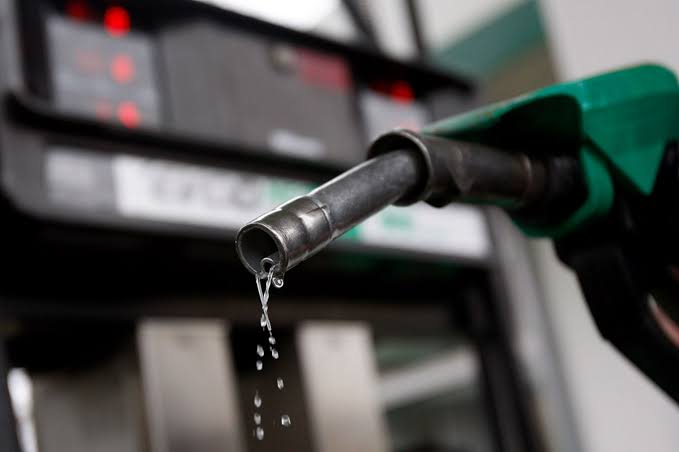
Nigeria’s daily petrol consumption declined by about 600,000 litres year-on-year in June 2026, according to data from the Nigerian Midstream and Downstream Petroleum Regulatory Authority (NMDPRA).
The regulator’s figures showed that average Premium Motor Spirit (PMS) consumption fell to 47.4 million litres per day in June, compared with 48 million litres per day recorded in June 2025. This represents a 1.27 per cent decline.
The reduction comes amid significant changes in the downstream petroleum market following the deregulation of the sector, which has led to a sharp increase in petrol prices since 2023.
NMDPRA data also showed considerable fluctuations in petrol demand throughout the past year. Consumption reached its highest level in December 2025 at approximately 63.7 million litres daily, while September recorded the lowest figure at 43.8 million litres per day.
In 2026, daily petrol consumption stood at 60.2 million litres in January before falling to 56.9 million litres in February. It dropped further to 47.3 million litres in March, climbed to 51.1 million litres in April, and declined to 46.3 million litres in May before edging up to 47.4 million litres in June.
Meanwhile, domestic refineries supplied the bulk of petrol consumed in Nigeria during the first half of the year. NMDPRA data indicated that local refineries delivered about 6.609 billion litres of PMS between January and June, accounting for 77.9 per cent of the 8.482 billion litres supplied to the domestic market.
Imports contributed the remaining 1.873 billion litres, representing 22.1 per cent of total supply.
Domestic refinery supplies averaged 40.1 million litres per day in January, fell to 29.4 million litres in February, and then rose to 34.2 million litres in March and 40.7 million litres in April. Supply increased further to 41.5 million litres in May before dropping to 32.5 million litres in June.
Petrol imports also varied during the period, moving from 24.8 million litres per day in January to just three million litres in February. Imports rose to 5.9 million litres in March, fell to 3.7 million litres in April, increased to 5.9 million litres in May and surged to 18.1 million litres per day in June.
The figures highlight the growing role of domestic refineries in meeting Nigeria’s petrol demand, even as consumption continues to fluctuate amid changing fuel prices and market conditions.