Angola has secured $1.3 billion in funding from the African Export-Import Bank (Afreximbank) to support the construction of a large-scale fertiliser plant, marking a major step toward reducing its reliance on imported agricultural inputs.
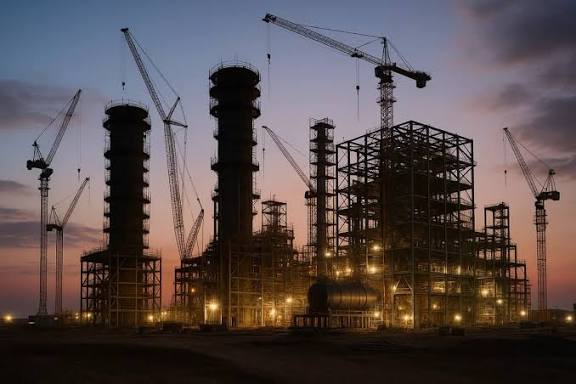
The $2 billion project — a partnership between state-owned Sonagas and local conglomerate OPAIA Group — will be developed in Soyo, a coastal city in Angola’s Zaire Province. Once operational, the facility will produce up to 4,000 metric tons of ammonia and urea fertiliser daily, using the country’s abundant natural gas resources.
According to Angola’s Minister of Mineral Resources, Petroleum, and Gas, Diamantino Pedro Azevedo, the financing agreement is a key milestone in the country’s effort to strengthen local production and cut the $120 million it currently spends on fertiliser imports each year.
Afreximbank, which had previously been appointed as lead arranger for the project, confirmed its commitment to the initiative earlier this year. The bank’s involvement underscores its continued focus on promoting industrialisation and value addition across Africa.
The plant, scheduled for completion in 2027, is expected to create roughly 4,700 jobs — including 3,500 during the construction phase and 1,200 permanent positions after completion. Beyond job creation, the facility is anticipated to support Angola’s broader economic diversification strategy by expanding its non-oil export base.
Once operational, the plant will not only meet domestic fertiliser needs but also supply surplus production to other African markets, positioning Angola as a key player in regional agricultural trade.
By leveraging natural gas for fertiliser production, the project represents a shift toward more sustainable economic use of Angola’s natural resources — a move aligned with the government’s long-term industrial growth goals.