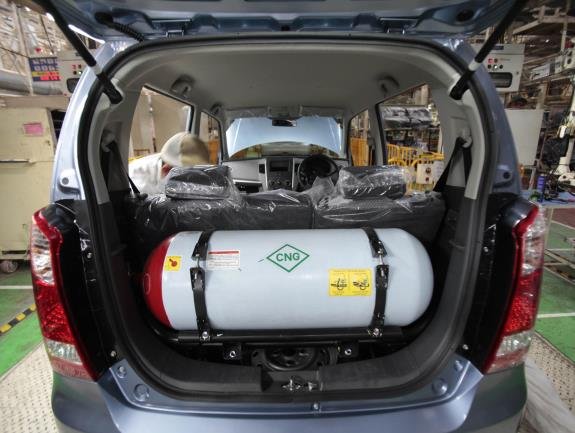
Nigeria’s transition to cleaner and cheaper transport fuel is picking up pace, with the Federal Government attracting over $440 million in investments between May and June 2025 to support the rollout of Compressed Natural Gas (CNG) across the country.
This rapid funding boost is part of the broader Presidential CNG Initiative, which has now mobilised nearly $1 billion in private sector support in just 12 months. According to a document from the CNG Initiative Secretariat, the new investments are being channelled into infrastructure, conversion kits, logistics, and digital platforms supporting the CNG ecosystem.
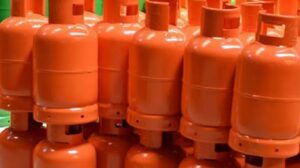
The document notes that 1,440 vehicles have already been converted in 20 states, while more than 100,000 CNG kits have been deployed. In addition, over 807 CNG-powered buses and 5,000 tricycles have been rolled out to ease the cost of transportation and accelerate adoption.
Looking ahead, the government plans to convert one million vehicles by 2027 and train 25,000 autogas technicians. As part of this roadmap, 250,000 bi-fuel vehicles are expected to hit the roads within that timeframe.
Describing petrol subsidies as a costly burden, the CNG office noted that Nigeria spent over N1 trillion subsidising fuel in 2023—even as the country sits on vast reserves of natural gas. Officials say the CNG shift is a chance to tap local energy sources for more sustainable and affordable mobility.
So far, 65 major refuelling stations and 300 conversion centres have been established nationwide, with another 260 centres in advanced development and 175 daughter stations under construction. Thirty of these daughter stations are already operational.
Procurement records show that 23,845 CNG kits were ordered in 2023, of which 17,346 have been delivered and 16,672 installed. This year, 27,100 additional kits and 53,000 gas cylinders are stocked and awaiting deployment. The 2024 conversion target is set at 125,000 vehicles.
In addition, 5,213 tricycles and 531 CNG buses were ordered—most of which have already been delivered—along with 40 electric buses, which are now in service.
The program is currently active in 20 states, with 11 more expected to join in the next six to nine months. By 2027, the government aims to establish 1,000 conversion workshops with the capacity to convert 250,000 vehicles per year, potentially creating over 300,000 indirect jobs.
More than 5,500 technicians have already been trained, and five consumer incentive schemes have been launched—including fare discounts, refuelling credit, and subsidies.
The economic impact forecast includes a 57% reduction in CO₂ emissions and fuel savings of over N500 billion if the plan is fully rolled out. While challenges like infrastructure gaps and gas supply have been flagged, authorities say early issues are being managed through coordinated planning, strong policies, and effective risk controls.
As part of its safety framework, the initiative is also implementing strict quality checks, digital monitoring, and enforcement protocols. Standards for refuelling, engine compatibility, and vehicle conversions have been issued in partnership with the Standards Organisation of Nigeria, while a national gas vehicle monitoring system is in development.