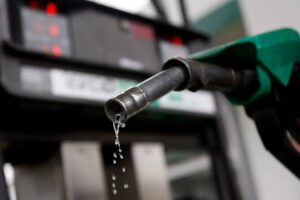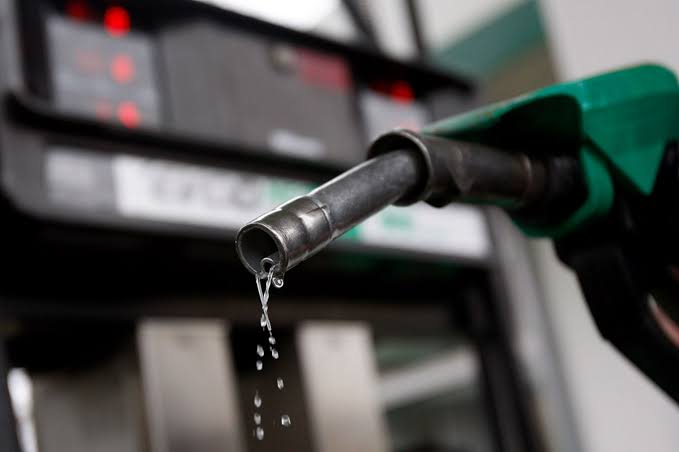
Starting January 2026, the Federal Government is set to introduce a five per cent tax on petrol as part of a broader tax reform agenda aimed at boosting revenue. The new levy, which applies to both locally refined and imported petrol, is projected to fetch the government about N796 billion annually, based on current fuel consumption levels.
The surcharge is part of the recently signed Nigeria Tax Administration Act, one of four new tax laws endorsed by President Bola Tinubu to improve the country’s revenue system and reduce dependence on oil.
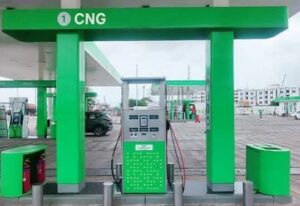
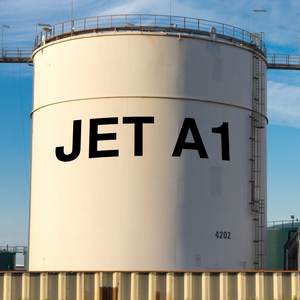
According to the law, the five per cent charge will apply to the retail price of petrol and other fossil fuel products, including diesel and aviation fuel. However, essential household fuels such as kerosene, cooking gas, and Compressed Natural Gas (CNG) are exempt.
Despite the government’s revenue goals, the move has sparked backlash from citizens and industry players. Many Nigerians, already grappling with high pump prices after the removal of fuel subsidies in 2023, see the surcharge as an added burden.
Oil marketers and transport unions warn that the new tax could push petrol prices even higher and worsen inflation. Advocacy groups and civil society organisations have also criticised the timing of the policy, citing the ongoing economic struggles faced by most citizens.
The Independent Petroleum Marketers Association of Nigeria (IPMAN) noted that the added cost will likely be passed on to consumers, leading to further increases in the cost of transportation and goods.
Although the Act gives room for the Finance Minister to decide the exact start date, officials say the implementation will begin in January 2026, pending an official gazette.