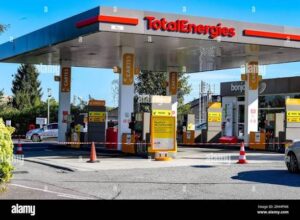
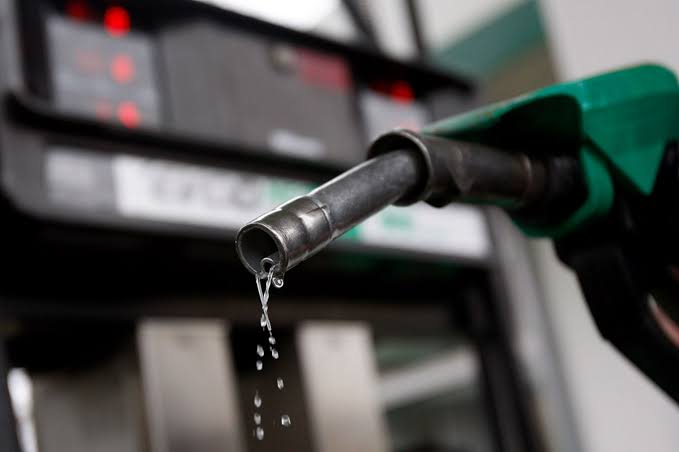
Petroleum marketers have opposed the Federal Government’s proposed N1,350-per-litre price ceiling for petrol, arguing that competition, transparent pricing and more efficient supply chains are better ways to address rising fuel costs.
The Major Energies Marketers Association of Nigeria (MEMAN) said imposing price limits would not resolve the underlying problems in the downstream petroleum sector, which include supply disruptions and high operating expenses.
The association stated its position during its third-quarter media engagement held virtually on Thursday in partnership with S&P Global Energy. It urged the government to prioritise market-driven pricing and improve the distribution of petroleum products instead of introducing price restrictions.
The proposed price cap was announced last week by the Minister of Finance and Coordinating Minister of the Economy, Taiwo Oyedele, as part of efforts to cushion consumers against rising petrol prices.
Under the plan, the government is negotiating a ceiling of N1,350 per litre on petrol’s ex-gantry or landing cost. Refiners and importers would initially bear costs exceeding the limit and recover the difference later when market conditions improve.
Oyedele said the arrangement, which would be reviewed monthly, was intended to reduce sharp price fluctuations and would not amount to a return to the petrol subsidy removed in May 2023.
The proposal followed increases in fuel prices associated with disruptions in international oil markets, putting additional pressure on households and businesses. The government also announced a 30-day petrol discount at Nigerian National Petroleum Company Limited filling stations, with priority for public transport operators.
MEMAN maintained that a sustainable petroleum market required clear pricing arrangements and better coordination across the supply chain. It called for more transparent bulk supply agreements covering product availability, prices, delivery schedules and contractual responsibilities.
The association also identified improved stock monitoring, greater storage capacity, better transport coordination and contingency planning as measures that could strengthen supply reliability.
It urged authorities to ensure petroleum products were accessible to market participants on fair terms while maintaining product quality, accurate measurement and compliance with regulatory standards.
MEMAN commended the Nigerian Midstream and Downstream Petroleum Regulatory Authority for efforts to improve product quality, digitise licensing processes, publish market information and encourage fair competition.
The engagement also examined changes in global and West African refined petroleum markets. S&P Global Energy linked recent price volatility to geopolitical tensions, disruptions at refineries and shifts in global supply, particularly for diesel and aviation fuel.
Participants highlighted the importance of credible regional pricing benchmarks, including Free on Board West Africa and STS Lomé assessments, which serve as reference points for domestically supplied and imported refined products.
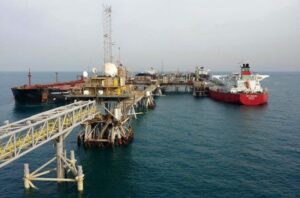
MEMAN further called for Nigeria to maximise output from local refineries while allowing imports to make up for supply shortages and disruptions.
The disagreement over the proposed price ceiling reflects the government’s challenge of easing the burden of rising fuel costs while ensuring that refiners, importers and distributors can cover their operating expenses.
The marketers’ position is that lasting improvements will depend on addressing supply constraints, reducing distribution costs and promoting competition rather than relying on government-imposed price limits or broad fuel subsidies.