Nigeria produced a total of 1.37 trillion standard cubic feet (SCF) of natural gas in the first half of 2025, reflecting a notable increase from the same period last year, according to new data from the Nigerian Upstream Petroleum Regulatory Commission (NUPRC). The report signals a steady rise in output and improved gas utilisation, although flaring remains a persistent challenge.
Breaking down the figures, about 729.1 billion SCF came from Associated Gas (AG)—produced alongside crude oil—while 643.3 billion SCF was from Non-Associated Gas (NAG), which is extracted independently from dedicated gas fields. Out of the total production, 1.26 trillion SCF was put to use, representing a utilisation rate of 91.6%.
The utilised gas was split among three major categories: field operations consumed 408.3 billion SCF, domestic users received 370.7 billion SCF, and exports accounted for 481.1 billion SCF. The export volume highlights Nigeria’s continued dependence on global buyers, particularly through LNG shipments and pipeline deals.
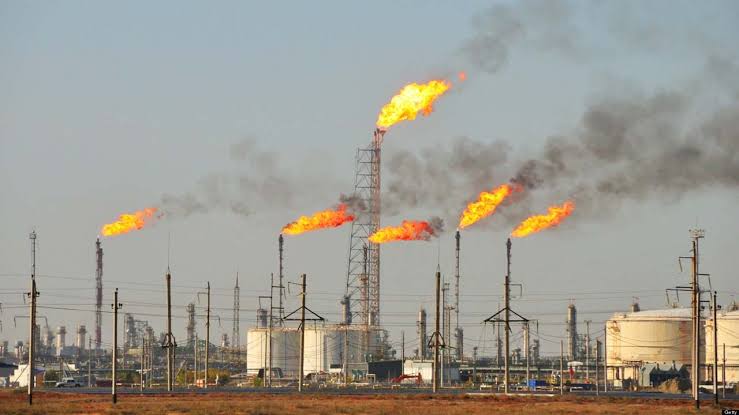
Despite progress in usage, gas flaring remains a concern. Nigeria flared 101.4 billion SCF in the first six months of the year—7.39% of total output. The worst month was January, with 18.7 billion SCF flared, while February saw the lowest volume at 15.9 billion SCF.
On a monthly basis, January, March, and May were Nigeria’s most productive, each recording over 236 billion SCF. February had the lowest output, with just under 200 billion SCF.
The commission also noted a combined gas loss of 11.25 billion SCF due to shrinkage, often resulting from metering errors or pipeline issues. While relatively small compared to total production, these losses remain a key area of regulatory scrutiny.
June’s performance stood out for its year-on-year growth. The country produced 236.9 billion SCF that month—up 17.4% from June 2024. AG output rose by 5% to 121 billion SCF, while NAG production surged by over 33% to 116 billion SCF. However, there was a slight decline of 1.3% from May’s figures.
On the demand side, domestic gas sales in June rose sharply by 17.6% year-on-year to 62.2 billion SCF, while exports bounced back with an 18.9% jump to 88 billion SCF following back-to-back declines in April and May. Domestic consumption also grew 8.7% compared to May, indicating a modest recovery in local demand.
Although some of the figures for the second quarter remain provisional, the first-half results paint a picture of progress. Nigeria is gradually improving its gas monetisation and cutting flaring rates. Still, challenges tied to infrastructure, metering accuracy, and domestic distribution continue to limit full potential