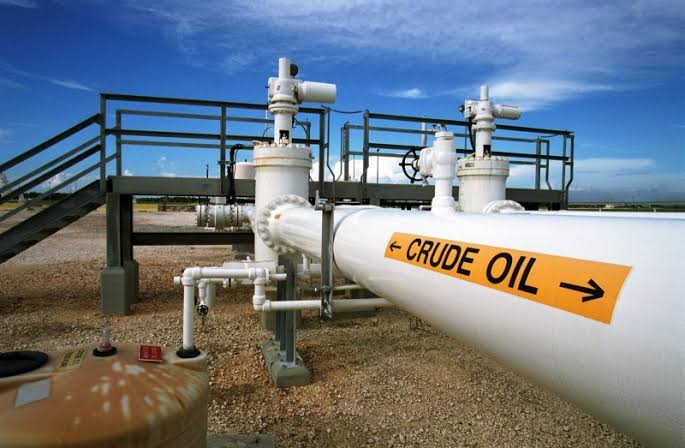
Nigeria’s premium crude oil grades are surging toward the $80 per barrel threshold, fueled by intensifying geopolitical tensions in the Middle East, particularly the escalating conflict between Israel and Iran.
Bonny Light, Qua Iboe, Brass River, and Escravos Light have all seen significant gains, with Brass River trading at $77.09 and Qua Iboe at $77.14 — both up over 7% from previous levels, according to oilprice.com.
This price rally mirrors a global spike, with Brent crude futures jumping nearly 8% last Friday following Iran’s threats of retaliation after Israeli attacks.
“This surge in prices, while offering a reprieve for Nigeria’s tight fiscal situation, underscores the volatile nature of the global oil market,” the report states, warning of the unpredictability tied to global events far beyond Nigeria’s borders.
Tensions around the Persian Gulf — especially concerns over chokepoints like the Strait of Hormuz — have led buyers to seek out more stable alternatives. Nigerian crude, known for its light and sweet quality, has become especially attractive.
“In times of geopolitical uncertainty in the Middle East, the demand for these ‘safer’ barrels from the Atlantic Basin typically rises,” the story notes.
For Nigeria, the implications are mixed. On the upside, government revenues could swell if the $80 mark is sustained, helping narrow the budget deficit and ease pressure on the Naira.
“A higher selling price for its crude translates directly into increased foreign exchange inflows,” the article explains.
But for everyday Nigerians, the picture is less positive. Rising global oil prices may soon hit consumers at home, with marketers warning that petrol could surpass N900 per litre.
“This could undermine the purchasing power of ordinary families,” the story warns, “fueling further discontent and adding a fresh dimension to ongoing policy struggles.”
As the conflict in the Middle East continues to evolve, Nigeria finds itself benefiting economically — but at the potential cost of higher living expenses for its population.