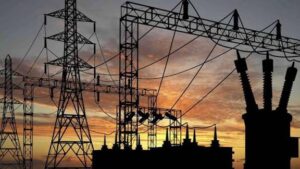
Nigeria’s electricity generation companies have lost an estimated ₦2.31 trillion over the past twelve years due to power that could have been supplied but was left idle because of grid limitations and poor infrastructure.
Data released by the Association of Power Generation Companies (APGC) shows that between 2013 and September 2025, thousands of megawatts of electricity were stranded each year—produced but not transmitted or distributed to consumers.
According to APGC’s Managing Director, Joy Ogaji, the losses represent the value of available generation capacity that could not be evacuated by the national grid. She made this known at the association’s 20th anniversary event, where she described the financial pressure faced by power producers as “unsustainable.”
While Nigeria’s power plants collectively have an available capacity of about 6,800 megawatts, only around 4,600 megawatts are actually utilized on average, leaving roughly 2,200 megawatts stranded each month in 2025 alone. This amounts to a loss of about ₦119 billion in the first nine months of the year.
Ogaji explained that generation companies routinely declare available capacity between 6,000 and 7,000 megawatts, but the grid only evacuates a fraction of that. “All this power that is stranded has a capacity charge. The GenCos are only being paid for energy delivered, not for the capacity they make available,” she said.
The situation, she added, has weakened the financial viability of power producers, many of whom rely on capacity payments to repay loans and maintain their plants. The APGC boss also accused the government of failing to meet key commitments under the privatisation agreement, including guaranteeing full payment for both generated energy and available capacity.
The power sector’s inefficiencies have also affected Nigeria’s broader economy. Experts say consistent power supply could significantly boost productivity and economic growth. APGC estimates that a 1 percent rise in electricity supply could increase Nigeria’s GDP by nearly 4 percent.
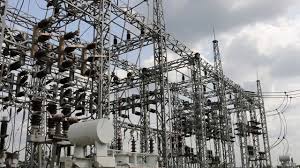
The Minister of Power, Adebayo Adelabu, recently admitted that more than 10,000 megawatts of generation capacity across the country remain unused due to transmission and distribution challenges. “Generation is not our problem,” he said. “We have energy that can power industries and homes, but much of it is wasted because our grid cannot deliver it.”
The APGC has urged the Federal Government to honour its financial obligations to GenCos, upgrade transmission infrastructure, and implement policies that allow for bilateral contracts and off-grid power alternatives.
Analysts warn that without urgent reforms, the sector’s liquidity crisis and persistent grid failures will continue to leave millions of Nigerians in darkness—despite the country’s vast untapped power potential.