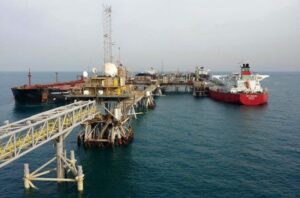
The Centre for the Promotion of Private Enterprise has called on the Nigerian Midstream and Downstream Petroleum Regulatory Authority to determine and publicly disclose Nigeria’s actual petrol supply shortfall before approving substantial import volumes.
The appeal was made by the organisation’s Chief Executive Officer, Muda Yusuf, amid a sharp increase in petrol imports despite the expansion of domestic refining capacity. Recent data cited by the CPPE showed that average daily petrol imports climbed from 5.9 million litres in May to 18.1 million litres in June and 19.7 million litres in July.
Yusuf said petroleum imports should be used primarily to address genuine shortages rather than compete with adequate supplies from local refineries.
He argued that issuing import licences without establishing a verified supply gap could discourage investment in domestic refining, reduce employment opportunities, increase demand for foreign exchange and weaken Nigeria’s efforts to build a stronger industrial base.
According to the CPPE, imported petrol accounted for 43.3 per cent of total PMS receipts in July, compared with 12.4 per cent in May. At the same time, domestic petrol supply declined from 41.5 million litres per day in May to 25.8 million litres in July.
Yusuf said the regulator should first assess the volume of petrol available from domestic refineries, existing inventories, expected demand and other supply commitments before deciding whether imports are necessary.
He also proposed that qualified local refiners should be given a limited opportunity to meet any identified shortfall, with importers allowed to cover only the remaining unmet demand.
The economist further called for NMDPRA to publish monthly information showing refinery output, domestic deliveries, inventories, consumption, exports, imports and available stock levels.
He said import licences should also specify the volume required, duration of the permit and the particular supply gap they are intended to address.
The CPPE stressed that it was not advocating a complete ban on petrol imports or protection of inefficient local producers. Instead, Yusuf said imports should remain available when there are genuine shortages caused by factors such as refinery outages, unexpected increases in demand or quality-related supply problems.
The organisation’s position comes amid growing tension over the role of imported petrol as Nigeria expands its domestic refining capacity.
Dangote Refinery has previously criticised the continued approval of petrol import licences and has considered restricting supplies to marketers involved in importing the product.
Yusuf warned that inconsistent changes in import policy could create uncertainty for investors and make long-term investments in refining, storage, pipelines and distribution more difficult to finance.
He said Nigeria’s downstream policy should increasingly prioritise domestic production while retaining imports as a mechanism for filling clearly established gaps.
The CPPE maintained that a transparent supply-gap system would allow domestic refiners to compete, protect consumers from supply disruptions and support Nigeria’s broader goals of conserving foreign exchange, creating jobs and strengthening energy security.