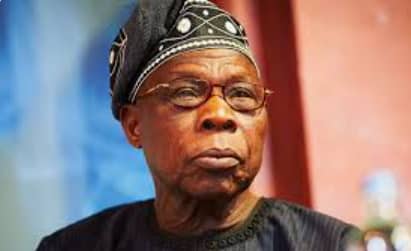
Former President Olusegun Obasanjo has expressed strong doubts about the future of Nigeria’s state-owned refineries, insisting they are unlikely to operate efficiently again despite ongoing efforts to revive them.
He made the remarks during an interview on Sony Irabor Live, where he reflected on past attempts to reform the country’s refining sector through private sector participation.
Obasanjo pointed to the success of the Nigeria Liquefied Natural Gas as proof that public-private partnerships can work in Nigeria. According to him, the gas company’s structure where private investors hold a majority stake has protected it from the inefficiencies that often affect fully government-run ventures.
Recounting his time in office, the former president said he had reached out to Shell in a bid to get the energy giant to manage Nigeria’s refineries. However, the company declined both equity participation and operational control.
He said Shell officials explained that their main profits come from upstream oil exploration rather than refining. They also reportedly raised concerns that Nigeria’s refineries were too small by global standards, poorly maintained, and surrounded by corruption – factors that discouraged them from getting involved.
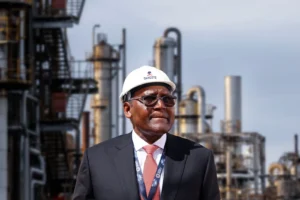
Obasanjo further revealed that businessman Aliko Dangote had once offered $750 million to acquire a majority stake in two of the refineries during his administration. The deal was concluded, but later reversed by his successor, Umaru Musa Yar’Adua, following pressure from officials within the national oil company.
He argued that the facilities have since deteriorated further and claimed that billions of dollars have been spent over the years with little to show for it. He compared the expenditure to the cost of building the privately owned Dangote Refinery, suggesting the funds could have delivered better results if used differently.
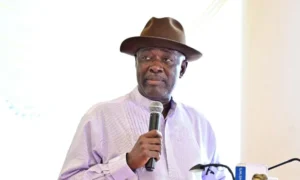
Obasanjo also commended the current leadership of the Nigerian National Petroleum Company Limited for acknowledging the true state of the refineries. The company’s Group Chief Executive Officer, Bayo Ojulari, had earlier admitted that the Port Harcourt and Warri plants were operating below international standards, even after recent rehabilitation work.
The NNPC has announced plans to select technical partners for the facilities by mid-2026 as part of efforts to make them commercially viable. However, Obasanjo remains unconvinced that the strategy will yield meaningful results.
The oil company had yet to issue a formal response to the former president’s latest remarks at the time of filing this report.