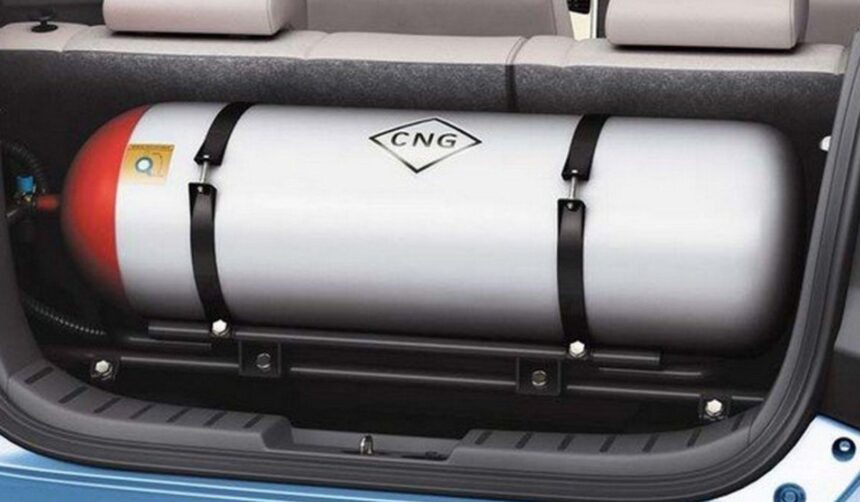
In a major push toward cleaner, more affordable transportation, the Presidential Compressed Natural Gas Initiative (PCNGi) has officially launched its Concessionary Autogas Supply and Pricing Framework to regulate pricing and expand Nigeria’s auto CNG market.
Unveiled at the Mobility CNG Supply Framework Kick-Off Event in Abuja, the framework is designed to curb arbitrage, ensure fair pricing, and foster a transparent market for compressed natural gas as demand continues to surge nationwide.
“What we are doing here today is to flag off the implementation of that concessionary pricing framework,” said Michael Oluwagbemi, Programme Director of PCNGi. “In an economy where gas is being used for various purposes, it was necessary to prevent people from abusing the lower pricing of auto CNG by diverting it to power or industrial uses.”
The new structure, approved by the Nigerian Midstream and Downstream Petroleum Regulatory Authority (NMDPRA), pegs autogas CNG at a lower price point than gas for other sectors, recognizing it as a strategic national resource.
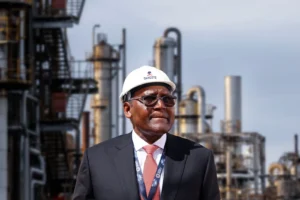
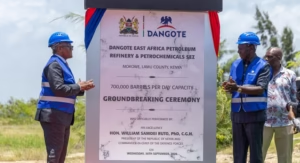
Nigeria’s CNG sector is experiencing rapid growth. The number of CNG refueling stations has jumped from just 20 to over 65, with more than two dozen expected in the coming weeks. “Dangote just announced another 100 stations, on top of the 175 we already have under construction,” Oluwagbemi added.
Vehicle conversions are also accelerating. “We’ve gone from about 4,000 CNG vehicles, mostly in Edo State, to over 50,000 daily users across the country,” he revealed. “That doesn’t even include the trucks, which are being converted rapidly every day.”
PCNGi projects that between 125,000 and 200,000 CNG vehicles will be on Nigerian roads by December 2025, with an ambitious national goal of one million by 2027.
“It’s a good problem,” Oluwagbemi said, referring to long queues now seen at CNG stations. “The market won’t be perfect from day one, but our job is to make it better every day.”
While the PCNGi leads the initiative, Oluwagbemi stressed the importance of private sector involvement. “The government won’t build everything. Our role is to incentivize and enable. With targeted measures like concessionary gas pricing, we can catalyze private investment and deliver a more secure energy future for Nigerians.”