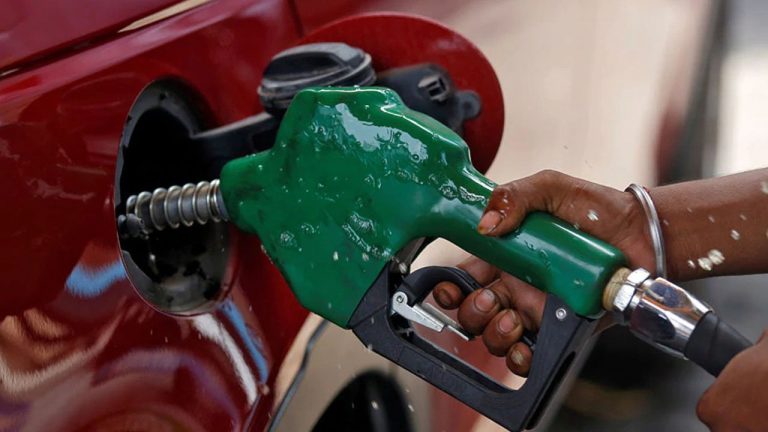
Nigeria’s spending on petrol imports fell by more than N2 trillion in the first quarter of 2026 as increased local refining reduced the country’s dependence on imported fuel.
According to foreign trade data released by the National Bureau of Statistics, petrol imports dropped to N87.4 billion between January and March 2026, compared to N2.27 trillion recorded during the same period last year.
The sharp decline of 96.15 per cent reflects a major shift in Nigeria’s fuel supply chain, driven largely by rising domestic refining capacity. Petrol, which had consistently ranked among the country’s most imported products, was absent from the list of Nigeria’s top imported commodities during the quarter.
The report showed that overall imports fell to N13.62 trillion in the first quarter, down from N16.64 trillion a year earlier. Other petroleum product imports also declined significantly, dropping to N748.1 billion from N5.01 trillion in the corresponding period of 2025.
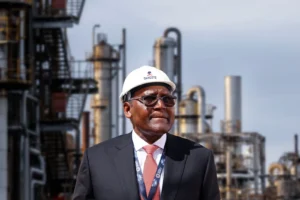
Industry observers attribute the reduction in fuel imports to the growing contribution of local refineries, particularly the Dangote Petroleum Refinery, which has steadily expanded petrol supply to the domestic market.
Data from the Nigerian Midstream and Downstream Petroleum Regulatory Authority showed that locally refined petrol accounted for the bulk of national fuel supply in the first few months of 2026, while imported volumes continued to decline.
Nigeria has long relied on imported petrol despite being one of Africa’s largest crude oil producers due to limited domestic refining capacity. However, increased output from local refineries is beginning to reshape the country’s trade profile and reduce pressure on foreign exchange demand.
Analysts say the continued decline in fuel imports could strengthen Nigeria’s trade balance, support the naira and retain more value within the domestic economy, provided local production remains sufficient to meet demand.
The latest figures represent one of the clearest signs yet that domestic refining is transforming Nigeria’s downstream petroleum sector and reducing the country’s reliance on imported fuel.