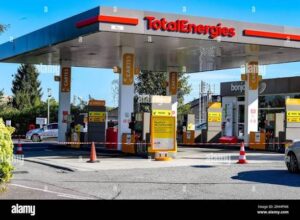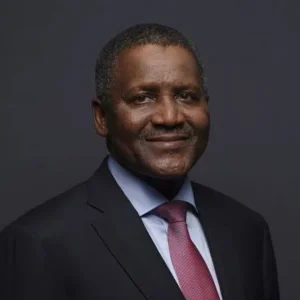
President Bola Tinubu has approved the establishment of 500 additional Compressed Natural Gas stations across Nigeria as the Federal Government intensifies efforts to bring down transportation costs.
The new facilities will increase the number of CNG refuelling stations planned under the government’s programme to 1,000 nationwide.
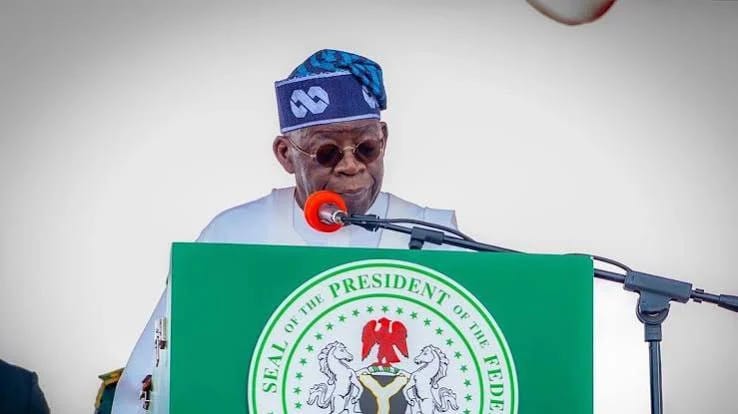
Tinubu announced the decision on Thursday after meeting with members of the Nigeria Governors’ Forum, saying the federal and state governments had agreed to work together to reduce the burden of high transport fares on Nigerians.
According to the President, greater adoption of CNG and electric vehicles would be encouraged, particularly for intra-state transportation, where commuters have faced steep increases in fares since the removal of the petrol subsidy.
He said Nigerians should begin to benefit from lower operating costs from October 1, stressing that cheaper fuel should translate into cheaper transportation.
“From October 1, our goal is that Nigerians begin to partake in those savings through lower transport fares,” Tinubu said.
The President also disclosed that more than 120,000 vehicles had already been converted to run on CNG under the Presidential CNG Initiative, while another 100,000 conversion kits were being processed.
He said the government was increasing the number of conversion centres and expanding refuelling infrastructure to accommodate the growing CNG vehicle population.
Tinubu added that the Midstream and Downstream Gas Infrastructure Fund was supporting more than 100 gas projects nationwide, including 15 CNG mother stations and 86 daughter stations.
Four of the projects were commissioned in May across Lagos, Abuja and Owerri.
The government had previously approved 500 CNG stations through the gas infrastructure fund. With the latest directive, the planned network will double to 1,000 stations.
Tinubu said the expansion was necessary to make cheaper fuel readily available, especially for vehicles used for intra-state transportation.
He noted that CNG-powered vehicles could achieve fuel savings of between 60 and 80 per cent compared with petrol-powered vehicles.
The President said the lower running costs should be reflected in the fares paid by commuters, urging federal and state authorities to ensure that the benefits of the CNG transition reach Nigerians.