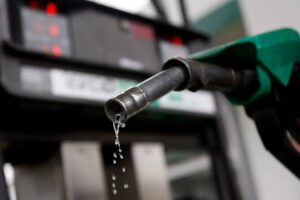
Motorists across the United Kingdom are rushing to petrol stations amid fears of a possible fuel shortage linked to escalating tensions in the Middle East.
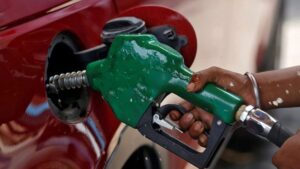
Reports from British media indicate that several filling stations experienced long queues and fuel shortages on Wednesday as drivers hurried to stock up. The situation has also pushed pump prices higher, with petrol rising by as much as 11 pence per litre in some areas.
The rush for fuel follows growing concerns about disruptions to global oil supplies after hostilities involving Iran intensified. Analysts say the situation has triggered panic buying in parts of the UK, with prices varying widely across different locations.
In Maidstone, Kent, motorists were paying about 137.9 pence per litre, around 6.4 pence above the national average. In Bothwell near Glasgow, prices climbed even higher to about 169.9 pence per litre, while some stations reportedly ran out of fuel entirely.
The current tension has revived memories of Britain’s 1973 oil crisis as developments in the Middle East threaten the Strait of Hormuz, a key route for global oil shipments. Reports indicate that tanker movements through the channel dropped significantly, with only five vessels passing through on March 1 compared to the usual daily average of about 60.
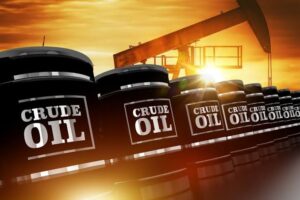
The uncertainty has also affected global crude prices, with Brent crude briefly rising to around $82 per barrel earlier this week, the highest level recorded since January last year.
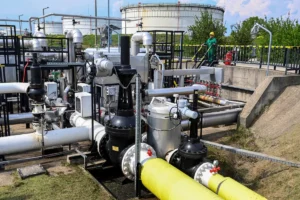
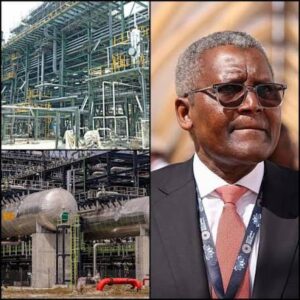
While the UK faces mounting pressure on fuel supply, Nigeria appears relatively insulated from immediate shortages due to domestic refining capacity, particularly from the Dangote Petroleum Refinery.
Although petrol prices in Nigeria recently increased from about N820 to around N937 per litre, there have been no widespread reports of queues at filling stations. Industry observers say the operation of the Dangote refinery has helped reduce Nigeria’s dependence on imported fuel, improving supply stability even during global disruptions.
Energy stakeholders say the refinery is playing a key role in strengthening Nigeria’s fuel security, noting that the country could have experienced severe shortages if it remained heavily reliant on imports.
However, the refinery has acknowledged some operational challenges, including limited access to domestic crude oil, which has forced it to source part of its feedstock from foreign suppliers.
The Petroleum Products Retail Outlet Owners Association of Nigeria has urged the Federal Government to ensure consistent crude supply to local refineries, including the Dangote facility, preferably through transactions conducted in naira.
According to the association’s spokesperson, Joseph Obele, strengthening domestic refining capacity is essential to protect Nigeria from the impact of global geopolitical tensions.
Its National President, Billy Gillis-Harry, also expressed concern about the growing military confrontation involving the United States, Iran, Israel and other allies, warning that the conflict could have wider consequences for the global oil market.
The Strait of Hormuz remains one of the most strategic oil routes in the world, with roughly 20 per cent of global crude shipments passing through the corridor daily. Continued instability around the waterway has therefore heightened concerns about supply disruptions and further volatility in international oil prices.