The National Economic Council (NEC) has approved the refinancing of Nigeria’s oil-backed Project Gazelle facility through a new $4.5 billion financing arrangement aimed at easing debt obligations and boosting government liquidity.
The approval was granted during the council’s 159th meeting, chaired virtually by Vice President Kashim Shettima. The new financing package will replace the existing $3.3 billion Project Gazelle facility introduced in 2023.
According to the Minister of Finance and Coordinating Minister of the Economy, Taiwo Oyedele, the arrangement will enable the Nigerian National Petroleum Company (NNPC) Limited to settle the outstanding balance of about $1.5 billion on the original loan while making an additional $3 billion available to support Nigeria’s foreign exchange reserves and key government projects.
A statement issued by the Office of the Vice President said the council welcomed the refinancing, noting that it would provide fresh liquidity for the federation while improving the country’s financing position.
Oyedele explained that the new facility comes with more favourable terms, including a reduction in the amount of crude oil committed as collateral. Under the revised structure, the volume of crude pledged falls from 90,000 barrels per day to about 78,750 barrels per day.
He said the reduction would free up an extra 11,250 barrels of crude daily for the federation, allowing the government to generate additional revenue outside the financing arrangement.
The minister described the refinancing as an opportunity to secure cheaper funding while creating more fiscal space to finance national development priorities.
During the meeting, Vice President Shettima also urged members of the council to prioritise policies that directly improve the welfare of Nigerians. He stressed the need for a social protection system that is responsive, scalable and driven by reliable data to address poverty and improve citizens’ living conditions.
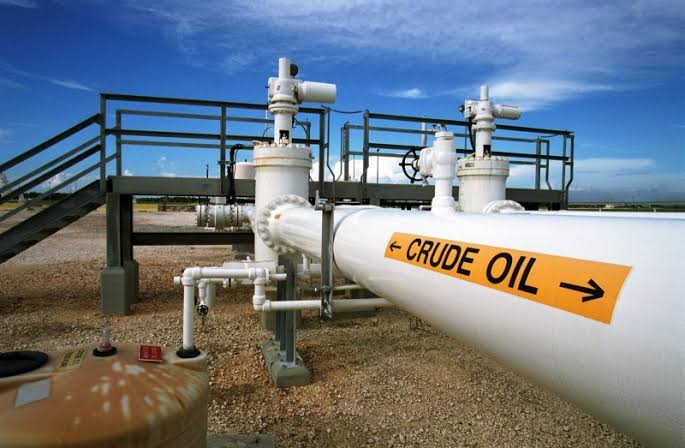
Project Gazelle was launched in 2023 as a pre-export financing facility backed by future crude oil sales to provide the country with foreign exchange liquidity following major reforms in Nigeria’s exchange-rate system. The new Project Gazelle 2 extends and restructures the facility on improved terms, reflecting stronger financing conditions and ongoing reforms in the oil sector.